불러오는 중…
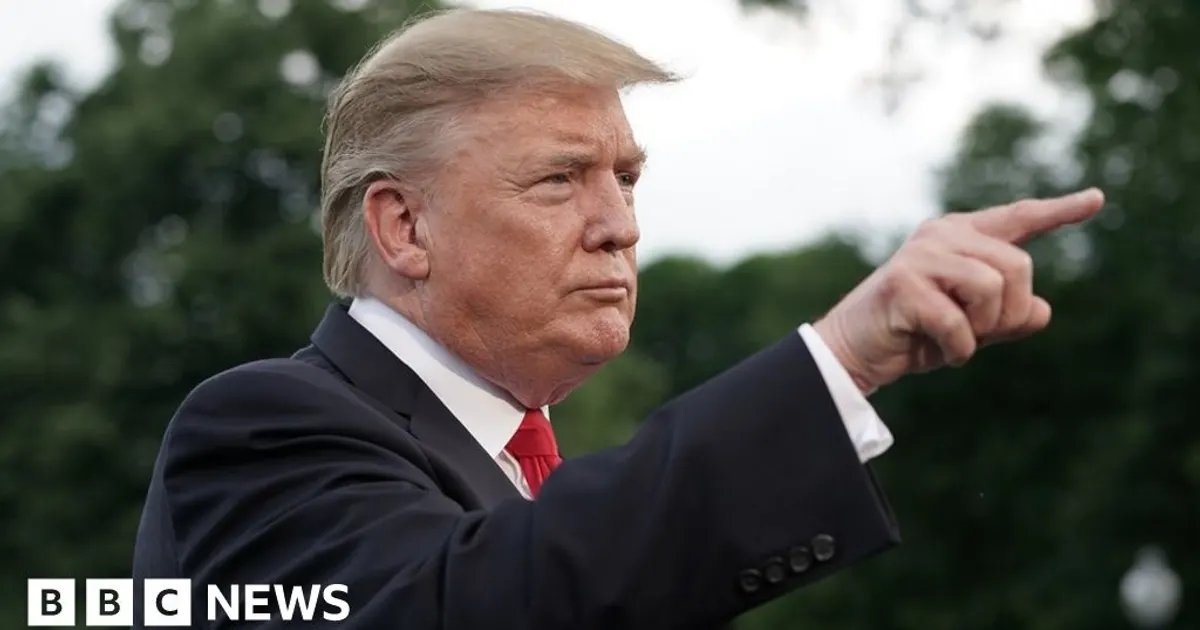
President Trump announced a fresh 10% tariff on another $300 billion of Chinese goods, effective September 1, after bilateral talks made little progress. He accused China of not honoring commitments to buy more U.S. agricultural products.
Chinese Foreign Minister Wang Yi criticized the move, and markets fell sharply in response.
Tariffs on the broad range of Chinese imports and the complaint about unmet farm purchases point to reduced U.S. agricultural export demand to China. That is bearish for soybeans and other U.S. feed grains.
 agronews.com.plMałgorzata Kulma2019. 8. 5.
 bbc.comAdd as preferred on Google2019. 8. 1.
 cnbc.comReuters2019. 8. 1.
 nutraingredients.comHank Schultz2019. 8. 2.
과거 하락 무역 이벤트 683건 이후, 옥수수은 5거래일 동안 중앙값 -0.2% 변동(상승 47%; 중간 50% 범위 -1.7%~+1.6%), 20거래일 동안 +0.3%.
과거 하락 무역 이벤트 803건 이후, 대두은 5거래일 동안 중앙값 +0.0% 변동(상승 51%; 중간 50% 범위 -1.7%~+1.7%), 20거래일 동안 +0.9%.
과거 비교 가능한 이벤트가 아직 부족해 이력 분석을 할 수 없습니다.
과거 하락 무역 이벤트 80건 이후, 원유 (WTI)은 5거래일 동안 중앙값 -2.2% 변동(상승 30%; 중간 50% 범위 -6.9%~+0.8%), 20거래일 동안 -1.5%.
각 품목 벤치마크의 이벤트 직전 종가 대비 변동. 과거 수치는 같은 유형의 과거 이벤트를 합산한 것으로, 일어난 일을 설명할 뿐 앞으로 일어날 일이 아닙니다. 투자 자문이 아닙니다.
The new 10% tariff on $300B of Chinese goods triggered the trade escalation and recession fears that hit crude demand expectations.
The Aug 1 tariff escalation and accusation that China wasn't buying US farm goods raised fears of lost export demand, setting up the sell-off that carried into Aug 5.
