불러오는 중…
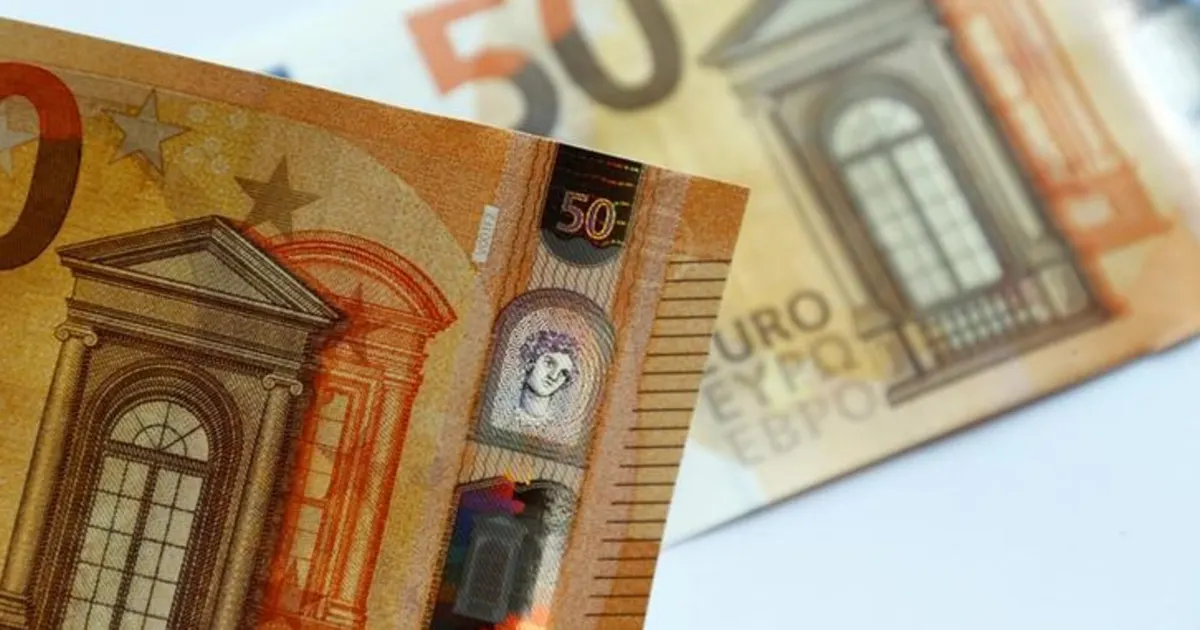
The euro has weakened largely because of diverging monetary policy between the U.S. Federal Reserve, which is raising rates, and the ECB, which is injecting hundreds of billions of euros through quantitative easing. The ECB's ultra-loose policy aims to ward off deflation, shore up banks and reflate the economy.
The weaker currency benefits euro zone exporters.
A weaker euro against the dollar makes euro zone exports more competitive and tends to lower dollar-denominated prices for imported goods, which can weigh on dollar-based feed commodity demand from Europe. Continued dollar strength would pressure U.S. commodity prices in dollar terms.
 reuters.comJamie McGeever2017. 2. 3.
과거 하락 거시 이벤트 533건 이후, 유로 (EUR당 USD)은 5거래일 동안 중앙값 -0.3% 변동(상승 33%; 중간 50% 범위 -1.2%~+0.2%), 20거래일 동안 -0.5%.
과거 상승 거시 이벤트 2,356건 이후, 미국 달러 (광의 지수)은 5거래일 동안 중앙값 +0.2% 변동(상승 60%; 중간 50% 범위 -0.3%~+0.7%), 20거래일 동안 +0.4%.
각 품목 벤치마크의 이벤트 직전 종가 대비 변동. 과거 수치는 같은 유형의 과거 이벤트를 합산한 것으로, 일어난 일을 설명할 뿐 앞으로 일어날 일이 아닙니다. 투자 자문이 아닙니다.
