불러오는 중…
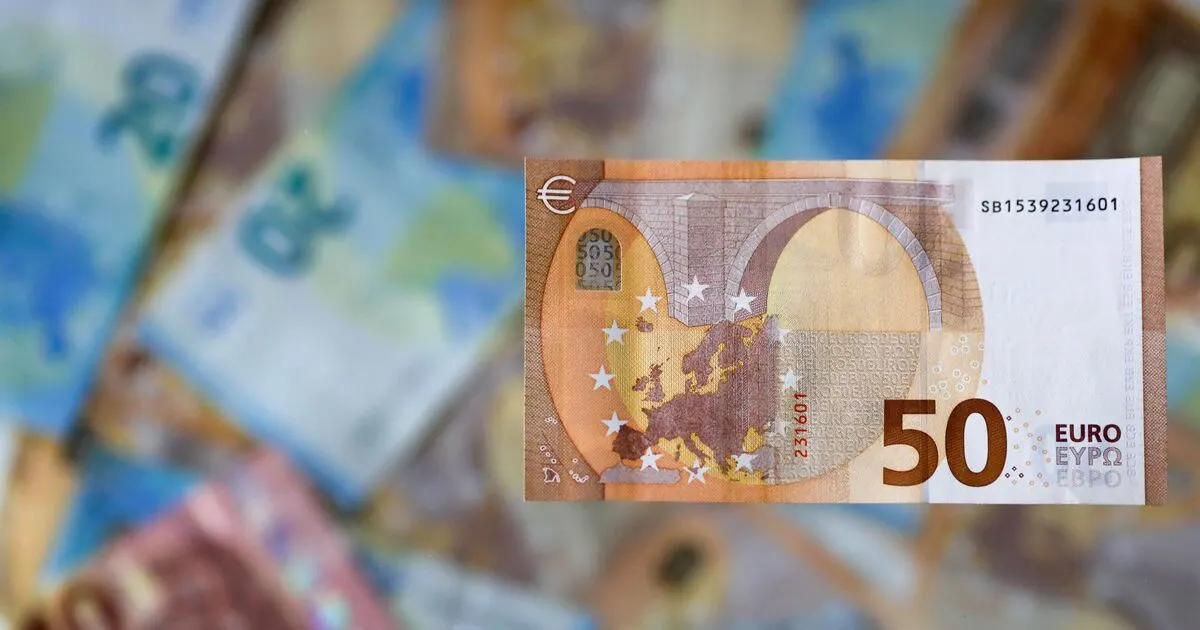
The euro fell as much as 1.8% to $1.1106, its lowest against the dollar since June 2020, as haven demand surged amid the Russia-Ukraine security crisis. The Bloomberg Dollar Index climbed as much as 1.4%.
A weaker euro and stronger dollar lower the dollar cost of European-sourced feed inputs for importers and reduce US export competitiveness. The move reflects haven flows rather than a change in feed supply.
 bloomberg.com2022. 2. 24.
과거 하락 지정학 이벤트 36건 이후, 유로 (EUR당 USD)은 5거래일 동안 중앙값 -1.0% 변동(상승 22%; 중간 50% 범위 -1.8%~-0.3%), 20거래일 동안 -0.7%.
과거 상승 지정학 이벤트 89건 이후, 미국 달러 (광의 지수)은 5거래일 동안 중앙값 +0.5% 변동(상승 74%; 중간 50% 범위 -0.0%~+1.0%), 20거래일 동안 +0.3%.
각 품목 벤치마크의 이벤트 직전 종가 대비 변동. 과거 수치는 같은 유형의 과거 이벤트를 합산한 것으로, 일어난 일을 설명할 뿐 앞으로 일어날 일이 아닙니다. 투자 자문이 아닙니다.
Same-day report of the euro falling as much as 1.8% to $1.1106 on haven demand for the dollar after Russia's invasion directly explains the move.
Euro fell as much as 1.8% and the Bloomberg Dollar Index rose up to 1.4% on haven demand; the euro is the largest component of the broad dollar basket.
Haven demand for the dollar during the Russia-Ukraine crisis pushed EUR/USD down as much as 1.8% to its lowest since June 2020 on 2022-02-24, accounting for most of the 5-day decline.
