불러오는 중…
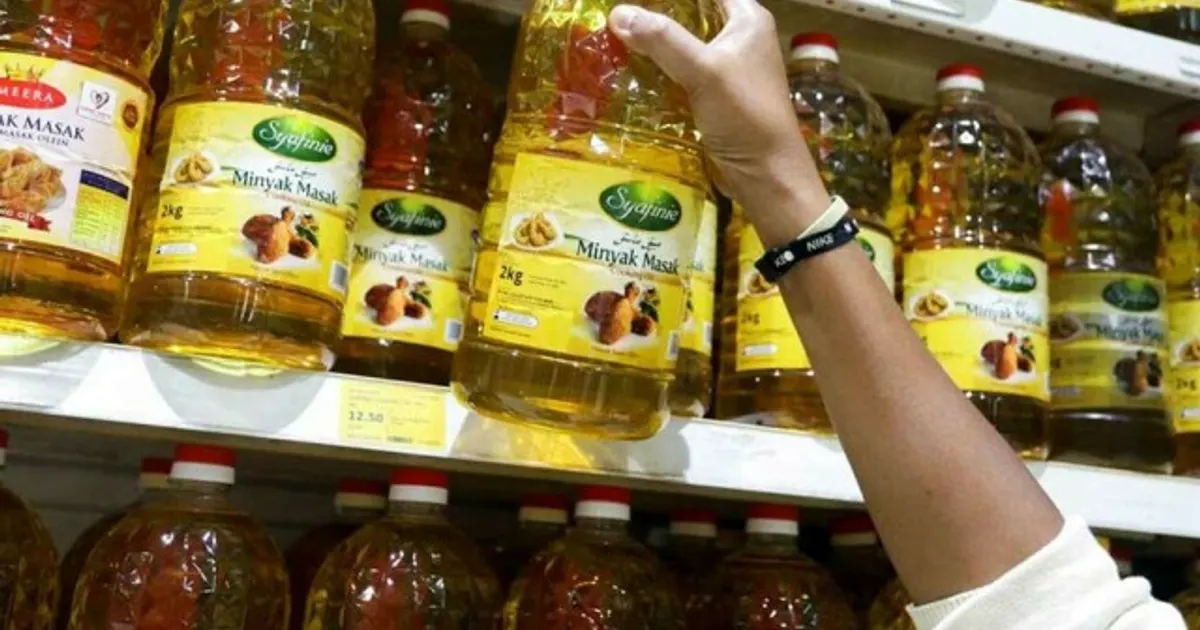
Malaysian palm oil futures fell 4.2% to 4,703 ringgit a tonne on recession fears that hit edible oils, after an intraday drop of about 7%. Malaysia's June exports fell between 7.4% and 13.4% from May as shipments to India and the EU slowed.
Palm later recovered some losses when crude oil rose on supply outages in Libya and Norway.
Recession fears reduce demand for edible oils and biodiesel, while weaker Malaysian exports add to the supply overhang. Stronger crude oil could support palm by making it more competitive as biodiesel feedstock.
 brecorder.comReuters2022. 7. 1.
과거 하락 거시 이벤트 51건 이후, 팜유은 5거래일 동안 중앙값 -1.3% 변동(상승 35%; 중간 50% 범위 -4.1%~+1.1%), 20거래일 동안 -1.8%.
과거 하락 거시 이벤트 40건 이후, 대두유은 5거래일 동안 중앙값 -0.8% 변동(상승 45%; 중간 50% 범위 -4.5%~+1.7%), 20거래일 동안 -1.5%.
과거 상승 거시 이벤트 487건 이후, 원유 (WTI)은 5거래일 동안 중앙값 +1.0% 변동(상승 60%; 중간 50% 범위 -2.0%~+4.0%), 20거래일 동안 +1.5%.
각 품목 벤치마크의 이벤트 직전 종가 대비 변동. 과거 수치는 같은 유형의 과거 이벤트를 합산한 것으로, 일어난 일을 설명할 뿐 앞으로 일어날 일이 아닙니다. 투자 자문이 아닙니다.
4% drop on July 1 on recession fears and a higher supply outlook, with weaker June exports to India and the EU.
Recession fears hit edible oils with an intraday drop of ~7%, alongside weaker June Malaysian exports and a higher supply outlook, matching the window's sharp selloff.
July 1 recession fears and a higher supply outlook hit edible oils, setting up the weak sentiment that carried into the July 4 soyoil drop.
Recession fears and weaker June Malaysian exports hit edible oils just before the move, adding demand-side and sentiment pressure.
