불러오는 중…
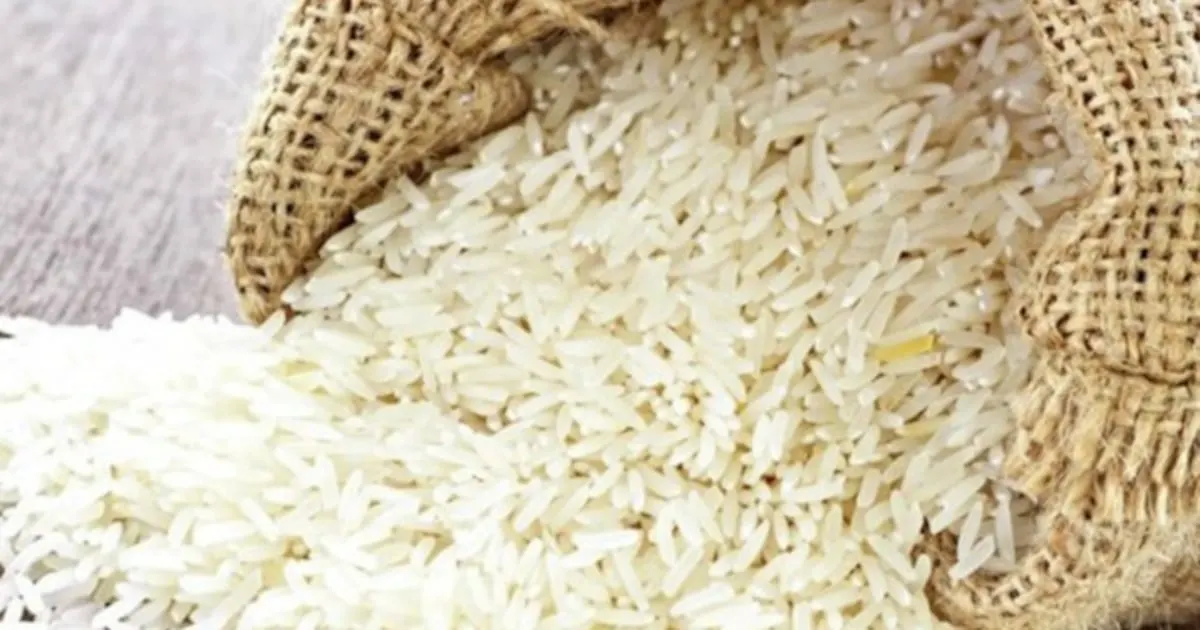
Lockdowns and trade barriers across Asia during COVID-19 have created supply and price volatility for rice. Vietnam imposed a rice export ban in March and Cambodia halted exports except for fragrant rice, though Vietnam later reopened exports and accepted contracts for 400,000 tons.
Export restrictions from major Asian suppliers tighten global rice availability and push prices up, with importers and panic buyers adding to demand pressure.
 foodnavigator.comPearly Neo2020. 4. 22.
과거 상승 정책 이벤트 168건 이후, 조곡(벼)은 5거래일 동안 중앙값 +0.8% 변동(상승 57%; 중간 50% 범위 -1.7%~+2.1%), 20거래일 동안 -0.4%.
각 품목 벤치마크의 이벤트 직전 종가 대비 변동. 과거 수치는 같은 유형의 과거 이벤트를 합산한 것으로, 일어난 일을 설명할 뿐 앞으로 일어날 일이 아닙니다. 투자 자문이 아닙니다.
Asian export restrictions (Vietnam ban, Cambodia halt) in the weeks before tightened global rice supply and supported a rally in futures, though Vietnam's reopening of exports is a partial offset.
Export bans and restrictions in Vietnam and Cambodia tightened Asian rice supply and fed price volatility, supporting a rally in rough rice.
Asian export restrictions and supply and price volatility from Vietnam and Cambodia tighten global rice trade flows and can support US rough rice futures.
Same-day coverage of Asian export bans and supply/price volatility supports a trade-flow-driven rally in rice prices.
