불러오는 중…
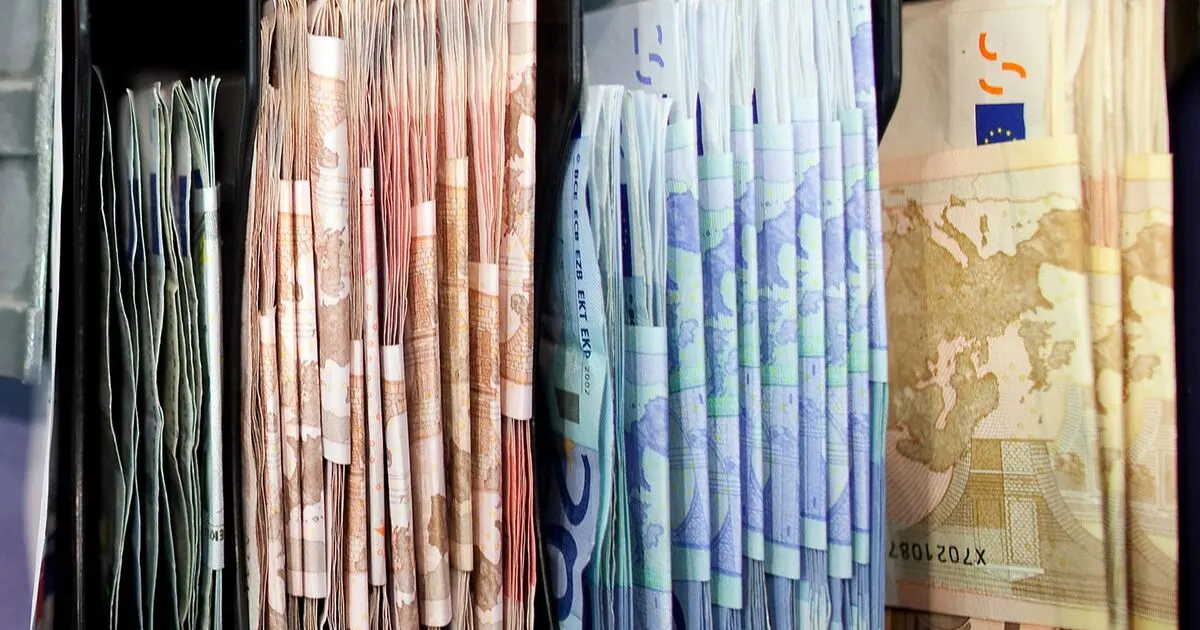
The euro fell 1.8% to about $1.07 after Trump's election win, its worst one-day drop since March 2020. ABN Amro, ING and Manulife expect the euro to slide toward parity with the dollar, and Mizuho and Deutsche Bank forecast $1.03 and $1.05 by year-end.
Wider rate differentials favor the dollar, which lowers dollar-denominated commodity prices and raises the cost of imported feed ingredients for euro-based buyers.
 bloomberg.comAlice Atkins, Vassilis Karamanis, Greg Ritchie2024. 11. 6.
과거 하락 거시 이벤트 533건 이후, 유로 (EUR당 USD)은 5거래일 동안 중앙값 -0.3% 변동(상승 33%; 중간 50% 범위 -1.2%~+0.2%), 20거래일 동안 -0.5%.
과거 상승 거시 이벤트 2,356건 이후, 미국 달러 (광의 지수)은 5거래일 동안 중앙값 +0.2% 변동(상승 60%; 중간 50% 범위 -0.3%~+0.7%), 20거래일 동안 +0.4%.
각 품목 벤치마크의 이벤트 직전 종가 대비 변동. 과거 수치는 같은 유형의 과거 이벤트를 합산한 것으로, 일어난 일을 설명할 뿐 앞으로 일어날 일이 아닙니다. 투자 자문이 아닙니다.
Documents the 1.8% euro drop, its worst day since March 2020, with rate divergence and parity forecasts reflecting the same post-election repricing.
The euro suffered its worst one-day drop since 2020 after Trump's win, as rate divergence and tariff risk drove parity calls; this is the main driver of the 5-day decline.
Euro's worst one-day drop since 2020 is the mirror image of dollar strength, since the euro is the largest weight in the broad index.
Euro fell 1.8% in its worst day since 2020 on rate divergence, mechanically boosting the dollar basket.
