불러오는 중…
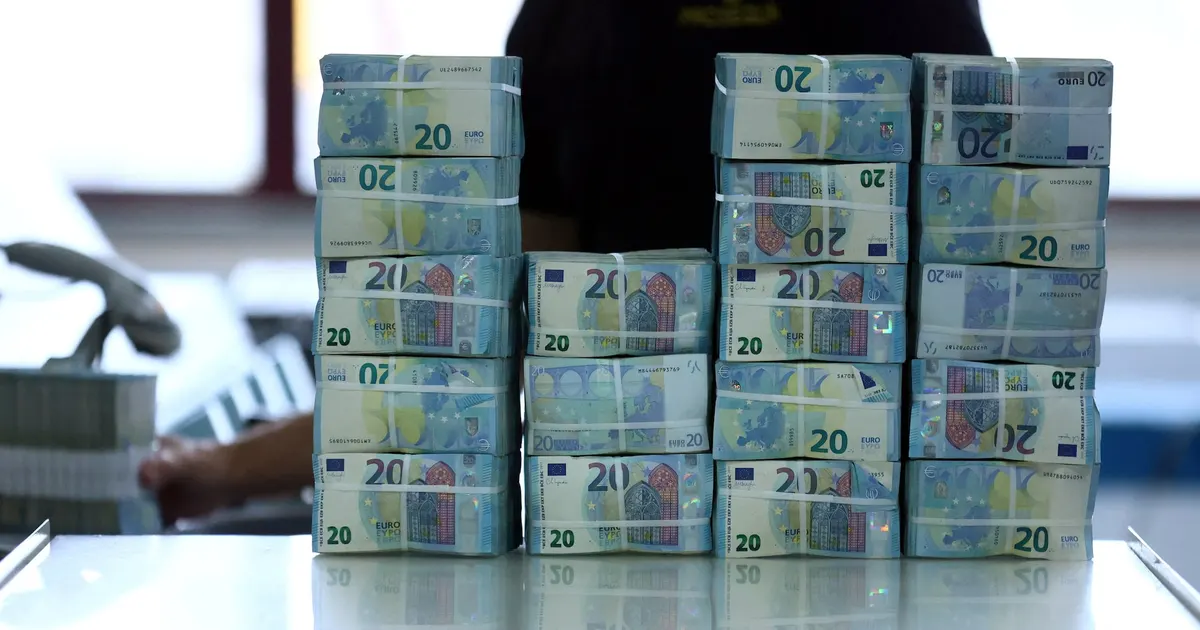
The euro rose to about $1.07, its highest in four months, after the parties forming Germany's next government agreed to overhaul the debt brake. The plan exempts defence spending above 1% of GDP and creates a 500 billion euro infrastructure fund.
Large German fiscal expansion strengthens the euro and eases pressure on European growth, while tariff risks remain. For feed buyers, a firmer euro and stronger European demand for energy and inputs shape import costs and currency-linked prices.
 reuters.comHarry Robertson2025. 3. 5.
과거 상승 거시 이벤트 388건 이후, 유로 (EUR당 USD)은 5거래일 동안 중앙값 +0.3% 변동(상승 62%; 중간 50% 범위 -0.4%~+1.1%), 20거래일 동안 +0.1%.
과거 하락 거시 이벤트 1,637건 이후, 미국 달러 (광의 지수)은 5거래일 동안 중앙값 -0.2% 변동(상승 39%; 중간 50% 범위 -0.6%~+0.3%), 20거래일 동안 -0.2%.
각 품목 벤치마크의 이벤트 직전 종가 대비 변동. 과거 수치는 같은 유형의 과거 이벤트를 합산한 것으로, 일어난 일을 설명할 뿐 앞으로 일어날 일이 아닙니다. 투자 자문이 아닙니다.
Dated on the move day, it reports the euro jumping to about $1.07 after Germany agreed to overhaul the debt brake and create a 500bn euro fund, the main driver of the 2.2% gain.
German debt brake overhaul and 500bn euro fund on March 5 pushed the euro to about $1.07, which mechanically weighed on the broad dollar.
German debt brake overhaul and 500bn euro infrastructure fund sent EUR sharply higher, the main driver of broad dollar weakness via the heavily weighted euro.
The euro rose to about $1.07, a four-month high, as the German debt brake overhaul unwound parity bets, a major driver of the move.
