불러오는 중…
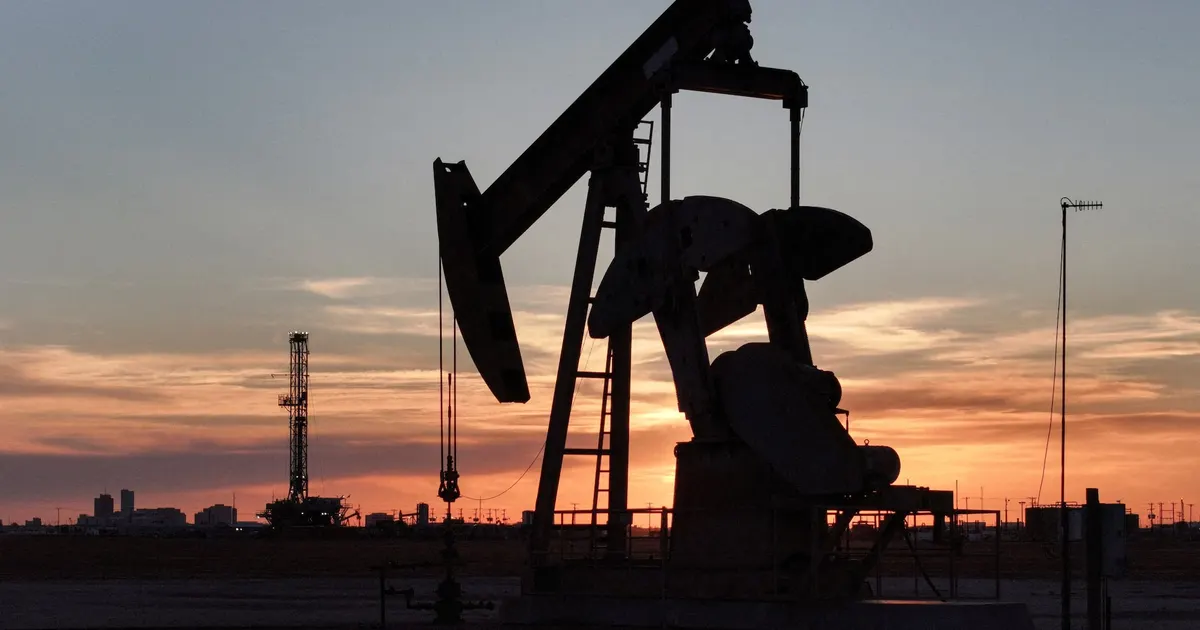
Oil settled up nearly 5% as fresh attacks on ships in the Strait of Hormuz pushed the number of vessels struck to at least 14. Shipping through the strait has nearly stopped since the US and Israel began strikes on Iran on February 28.
The IEA recommended a record 400 million barrel stock release to curb prices.
Disrupted Hormuz shipping removes about a fifth of world oil supply, keeping crude and diesel costs elevated. The record IEA stock release partly offsets supply losses, but ongoing attacks support higher energy and freight costs for feed producers.
 reuters.comShariq Khan2026. 3. 10.
과거 상승 지정학 이벤트 626건 이후, WTI은 5거래일 동안 중앙값 +2.1% 변동(상승 62%; 중간 50% 범위 -2.3%~+8.5%), 20거래일 동안 +1.6%.
과거 상승 지정학 이벤트 656건 이후, BRENT은 5거래일 동안 중앙값 +1.9% 변동(상승 63%; 중간 50% 범위 -2.7%~+6.6%), 20거래일 동안 +0.7%.
과거 상승 지정학 이벤트 250건 이후, DIESEL은 5거래일 동안 중앙값 +1.7% 변동(상승 58%; 중간 50% 범위 -3.6%~+8.7%), 20거래일 동안 +0.9%.
과거 비교 가능한 이벤트가 아직 부족해 이력 분석을 할 수 없습니다.
각 품목 벤치마크의 이벤트 직전 종가 대비 변동. 과거 수치는 같은 유형의 과거 이벤트를 합산한 것으로, 일어난 일을 설명할 뿐 앞으로 일어날 일이 아닙니다. 투자 자문이 아닙니다.
Oil settled up ~5% as attacks on ships in Hormuz mounted, adding supply-risk premium despite the record IEA stock release plan.
Oil rose nearly 5% on Mar 10 as attacks on ships in Hormuz mounted (at least 14 vessels struck), adding risk premium that carried into diesel despite the IEA stock release plan.
Oil settled up nearly 5% as ships were attacked in Hormuz, adding to crude and diesel gains during the window.
Attacks on ships in Hormuz (14+ vessels struck) on Mar 10 show the escalating supply risk that carried into Mar 12, partly offset by the stock release plan.
29초 버전 보기 · Oil settles up nearly 5% as Hormuz attacks hit 14 ships: what it means for feed costs
