불러오는 중…
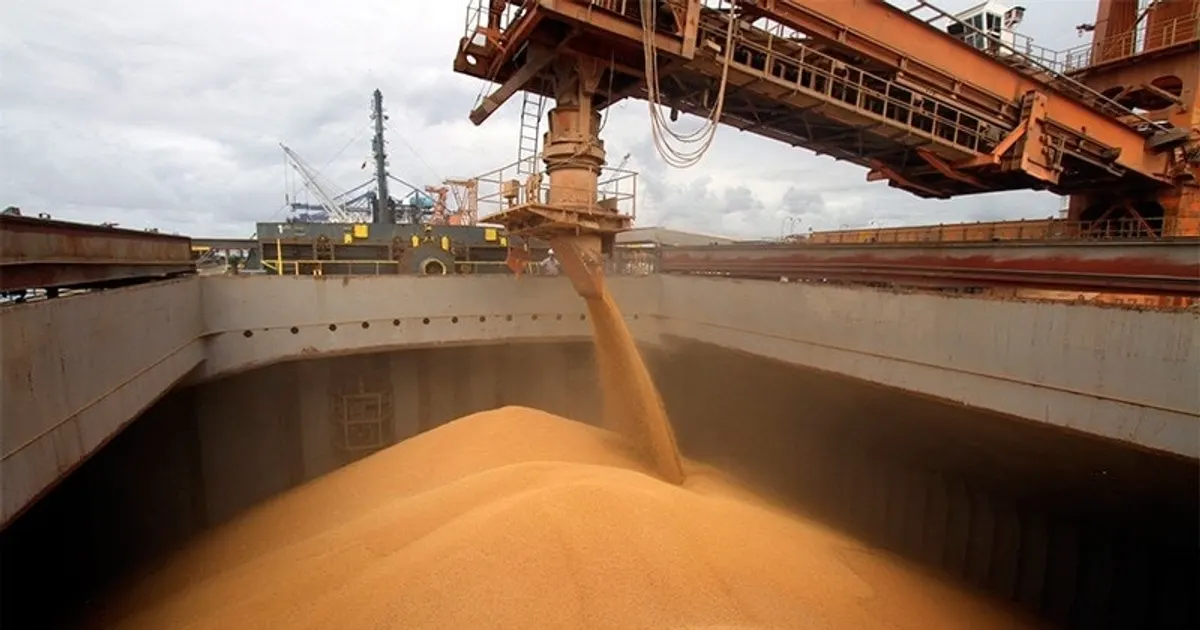
Argentina's grain receivers union Urgara announced a port work stoppage from March 19 to March 25, arguing grain classification is not essential under the COVID-19 isolation decree. Business chambers warned the strike could jeopardize loading of 18 ships carrying about 2.2 million tonnes of grain, and a mandatory conciliation by the Labor Ministry was expected.
Disrupted port loadings delay Argentine soybean, meal and corn export flows, tightening nearby supplies and supporting meal and oil prices while shipments are held up.
 aduananews.comAduanaNews2020. 3. 21.
과거 상승 물류 이벤트 167건 이후, 대두박은 5거래일 동안 중앙값 +0.5% 변동(상승 54%; 중간 50% 범위 -1.8%~+2.9%), 20거래일 동안 -1.2%.
과거 상승 물류 이벤트 206건 이후, 대두은 5거래일 동안 중앙값 +0.5% 변동(상승 56%; 중간 50% 범위 -1.3%~+2.6%), 20거래일 동안 +1.4%.
과거 상승 물류 이벤트 285건 이후, 옥수수은 5거래일 동안 중앙값 +0.1% 변동(상승 52%; 중간 50% 범위 -1.5%~+1.5%), 20거래일 동안 +0.8%.
각 품목 벤치마크의 이벤트 직전 종가 대비 변동. 과거 수치는 같은 유형의 과거 이벤트를 합산한 것으로, 일어난 일을 설명할 뿐 앞으로 일어날 일이 아닙니다. 투자 자문이 아닙니다.
Argentine port grain receivers' strike (Mar 19-25) put loading of 18 ships and 2.2 Mt at risk, tightening soymeal export supply.
The Argentine port strike threatened loading of 18 ships carrying about 2.2 million tonnes of grain, which would cut the supply reaching export markets and support US soybean prices.
Argentine grain receivers' port strike from March 19 threatened loading of 18 ships, which implies tighter soymeal export supply from the world's top exporter and supports prices.
The Argentine port strike was set to end March 25 with mandatory conciliation expected, so easing supply fears could remove the premium.
