불러오는 중…
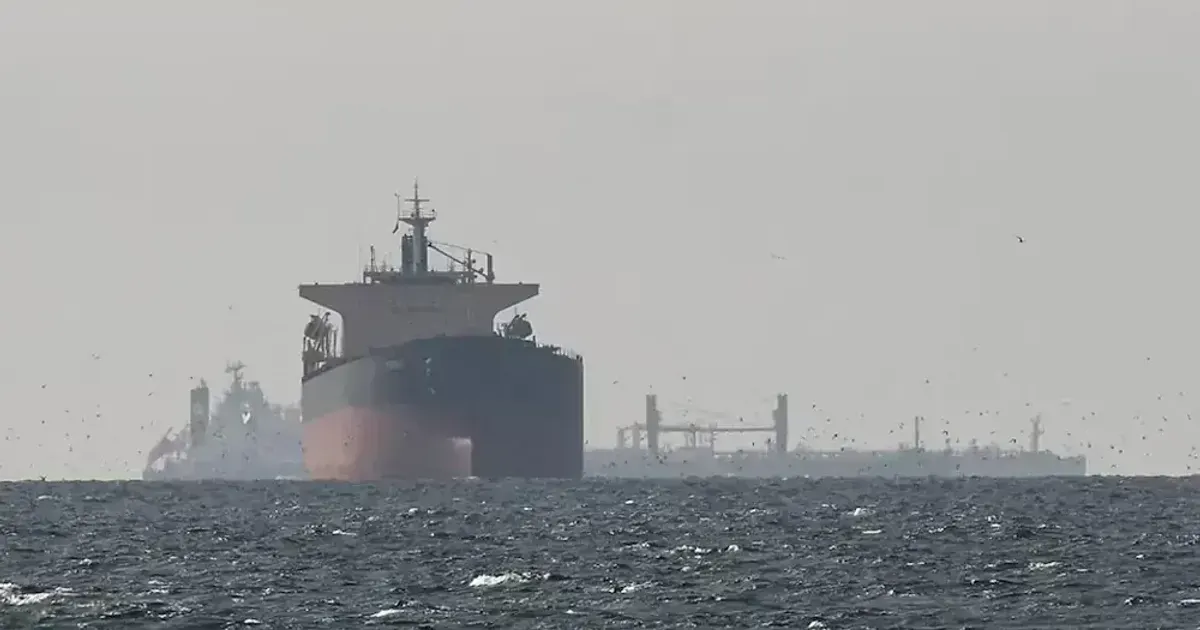
Physical crude prices in the Middle East, Europe and Africa jumped to two-month highs, with some cargoes nearing $110 a barrel. Dated Brent hit $105.70 on Thursday, its highest since late May and first breach of $100 since early June, and North Sea Forties reached $108.77 on Friday.
The moves followed Houthi attacks on Red Sea tankers, the collapse of a preliminary US-Iran peace deal, Hormuz export disruption and Ukrainian strikes that cut Kazakh output.
Higher crude raises diesel and freight costs and pushes up energy-linked feed inputs, while rerouted tankers add shipping cost and time. Vegetable oil and biofuel demand may firm as crude rises, supporting soybean oil and palm oil prices.
 brecorder.comReuters2026. 7. 24.
과거 상승 지정학 이벤트 656건 이후, 원유 (Brent)은 5거래일 동안 중앙값 +1.9% 변동(상승 63%; 중간 50% 범위 -2.7%~+6.6%), 20거래일 동안 +0.7%.
과거 상승 지정학 이벤트 626건 이후, 원유 (WTI)은 5거래일 동안 중앙값 +2.1% 변동(상승 62%; 중간 50% 범위 -2.3%~+8.5%), 20거래일 동안 +1.6%.
과거 상승 지정학 이벤트 250건 이후, ULSD / 디젤은 5거래일 동안 중앙값 +1.7% 변동(상승 58%; 중간 50% 범위 -3.6%~+8.7%), 20거래일 동안 +0.9%.
과거 비교 가능한 이벤트가 아직 부족해 이력 분석을 할 수 없습니다.
각 품목 벤치마크의 이벤트 직전 종가 대비 변동. 과거 수치는 같은 유형의 과거 이벤트를 합산한 것으로, 일어난 일을 설명할 뿐 앞으로 일어날 일이 아닙니다. 투자 자문이 아닙니다.
Physical crude prices surged with Dated Brent at $105.70 on the collapse of the US-Iran peace deal, Hormuz disruption and Kazakh output cuts, corroborating tight supply, though it is dated after the window ends.
Physical prices and Dated Brent surged on the same Red Sea and Hormuz disruptions plus the collapsed peace deal, confirming the tightness, though it was published a day later.
