불러오는 중…
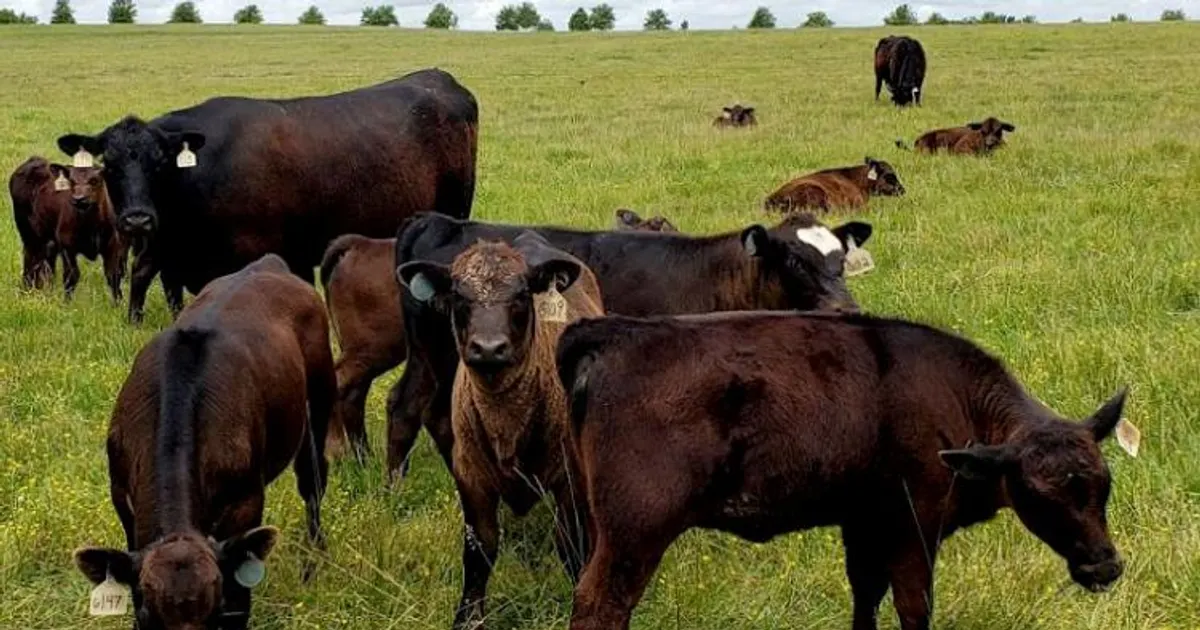
University of Kentucky agricultural economist Kenny Burdine said COVID-19 demand shocks hit cattle close to harvest hardest, with fed cattle prices falling sharply. CME March feeder cattle futures had dropped nearly $25 per hundredweight from early March through March 16.
Kentucky heavy feeders had held up better, supported by good pasture conditions.
Lower fed and feeder cattle values reduce the cost of finishing rations for feeders and signal weaker near-term cattle demand for feed. Pasture conditions limit supply impact in the short run.
 lanereport.comKevin O. Stinnett2020. 3. 17.
과거 하락 질병 이벤트 70건 이후, 생우은 5거래일 동안 중앙값 +0.0% 변동(상승 51%; 중간 50% 범위 -1.7%~+1.0%), 20거래일 동안 +0.4%.
과거 하락 질병 이벤트 46건 이후, 비육용 소은 5거래일 동안 중앙값 +0.3% 변동(상승 54%; 중간 50% 범위 -2.3%~+1.6%), 20거래일 동안 +1.8%.
각 품목 벤치마크의 이벤트 직전 종가 대비 변동. 과거 수치는 같은 유형의 과거 이벤트를 합산한 것으로, 일어난 일을 설명할 뿐 앞으로 일어날 일이 아닙니다. 투자 자문이 아닙니다.
Notes March feeder futures fell nearly $25/cwt through March 16 on COVID-19 demand shocks, giving context for the continued selloff on the move date.
Notes March feeder futures down nearly $25/cwt from early March through March 16, corroborating the magnitude, though it extends beyond the window.
