불러오는 중…
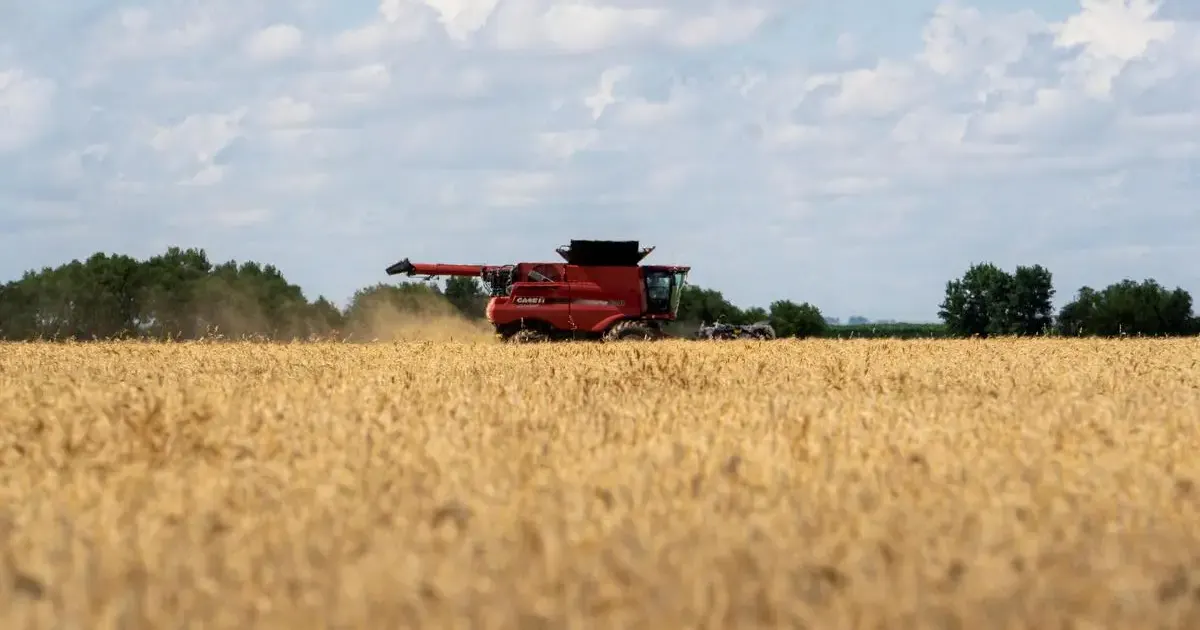
USDA projected the smallest US wheat harvest since 1972 due to Plains drought, with hard red winter output the lowest in decades. It also forecast the second-largest soybean crop on record and a 6% drop in corn production.
Fertilizer costs rose after the Strait of Hormuz closure.
Sharply lower wheat output and a smaller corn crop tighten feed grain supplies, while record soybean output and soybean meal supply weigh on meal prices. Higher fertilizer and fuel costs raise production costs.
 agri-pulse.comOliver Ward2026. 5. 12.
 agweb.comReuters2026. 5. 12.
 producer.com2026. 5. 12.
 thehindubusinessline.comReuters2026. 5. 12.
과거 상승 보고서 이벤트 769건 이후, 밀 (SRW)은 5거래일 동안 중앙값 +0.2% 변동(상승 53%; 중간 50% 범위 -1.4%~+2.0%), 20거래일 동안 +0.2%.
과거 하락 보고서 이벤트 788건 이후, 대두은 5거래일 동안 중앙값 -0.3% 변동(상승 47%; 중간 50% 범위 -2.0%~+1.5%), 20거래일 동안 -0.9%.
과거 상승 보고서 이벤트 1,040건 이후, 옥수수은 5거래일 동안 중앙값 +0.5% 변동(상승 62%; 중간 50% 범위 -0.9%~+2.0%), 20거래일 동안 +0.8%.
과거 하락 보고서 이벤트 399건 이후, 대두박은 5거래일 동안 중앙값 -0.4% 변동(상승 44%; 중간 50% 범위 -2.4%~+1.2%), 20거래일 동안 -1.0%.
각 품목 벤치마크의 이벤트 직전 종가 대비 변동. 과거 수치는 같은 유형의 과거 이벤트를 합산한 것으로, 일어난 일을 설명할 뿐 앞으로 일어날 일이 아닙니다. 투자 자문이 아닙니다.
USDA's projection of the smallest US wheat crop since 1972 due to Plains drought, plus higher fertilizer costs, supports the supply-driven rally.
Smallest US wheat harvest since 1972 from drought tightens supply, supporting price.
