読み込み中…
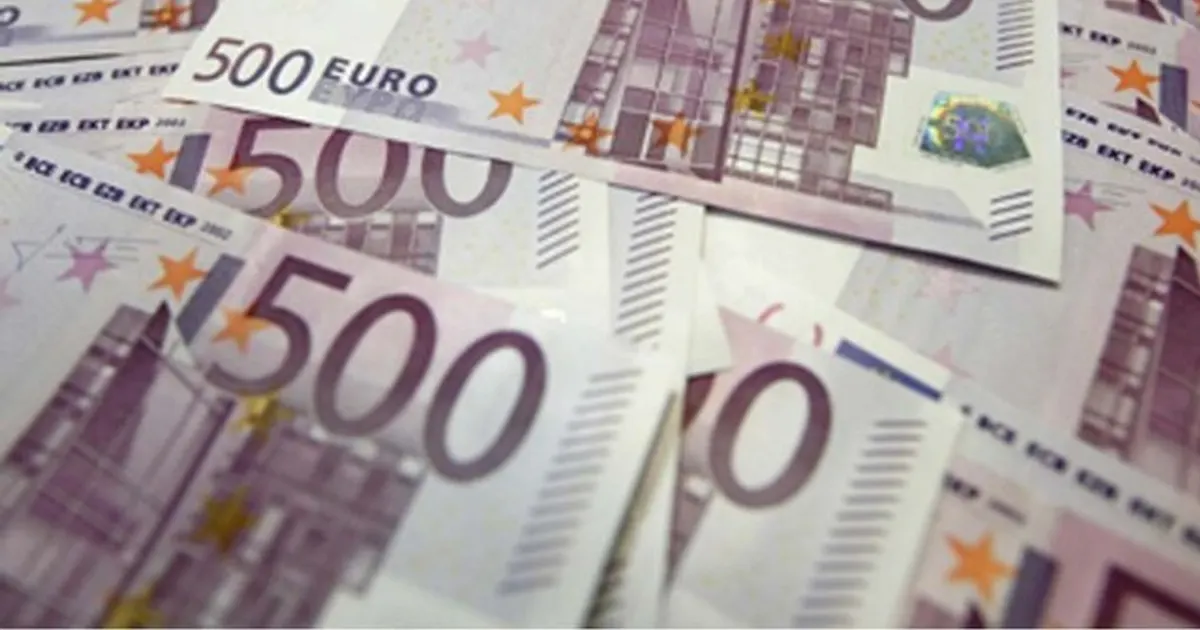
The euro fell to its lowest level since May 2020 after Russia's full-scale invasion of Ukraine, with a touch as low as $1.1106. The rouble hit a record low, and the US responded with sanctions on Russian banks and state-owned enterprises.
Sanctions and the flight to the dollar strengthen the greenback and pressure euro-linked commodity prices. Disruption to Black Sea exports is a supply risk for grain and meal markets.
 brecorder.comReuters2022/02/25
過去の弱気な地政学イベント36件の後、ユーロ(1 EURあたりUSD) は5営業日で中央値 -1.0% 動き(22% が上昇。中央50%は -1.8% から -0.3%)、20営業日では -0.7% 動きました。
過去の強気な地政学イベント89件の後、米ドル指数(広範) は5営業日で中央値 +0.5% 動き(74% が上昇。中央50%は -0.0% から +1.0%)、20営業日では +0.3% 動きました。
過去の強気な地政学イベント361件の後、小麦(SRW) は5営業日で中央値 +0.7% 動き(58% が上昇。中央50%は -1.4% から +3.7%)、20営業日では +1.3% 動きました。
イベント直前の終値からの各商品ベンチマークの動き。過去の傾向は同種の過去イベントをまとめたものであり、起きたことを示すもので、今後を示すものではありません。投資助言ではありません。
Recaps the euro's drop to $1.1106 after the full-scale invasion and the sanctions response; it is dated a day later but describes the same move.
