読み込み中…
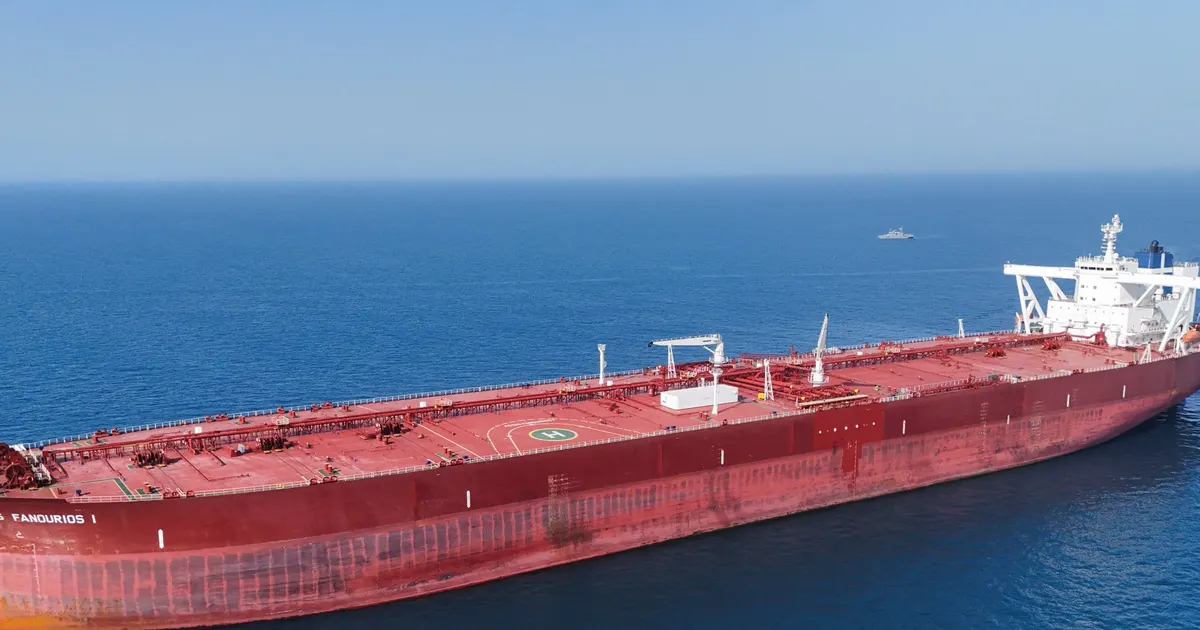
Brent fell more than 9% to $90.38 on Friday after Iran said the Strait of Hormuz was open during a Lebanon ceasefire. On Saturday Iran reversed the decision, saying it would block transit while the US blockade of its ports continued.
Trump said the blockade would stay in force until a broader deal was reached.
The reversal revives supply risk, so crude prices are likely to rebound from their recent lows. Renewed uncertainty keeps energy and fertilizer costs elevated for feed makers.
 aljazeera.comJohn Power2026/04/18
過去の強気な地政学イベント656件の後、原油(ブレント) は5営業日で中央値 +1.9% 動き(63% が上昇。中央50%は -2.7% から +6.6%)、20営業日では +0.7% 動きました。
過去の強気な地政学イベント626件の後、原油(WTI) は5営業日で中央値 +2.1% 動き(62% が上昇。中央50%は -2.3% から +8.5%)、20営業日では +1.6% 動きました。
過去の強気な地政学イベント250件の後、ULSD / ディーゼル は5営業日で中央値 +1.7% 動き(58% が上昇。中央50%は -3.6% から +8.7%)、20営業日では +0.9% 動きました。
イベント直前の終値からの各商品ベンチマークの動き。過去の傾向は同種の過去イベントをまとめたものであり、起きたことを示すもので、今後を示すものではありません。投資助言ではありません。
Iran reversing the Hormuz opening on April 18 and the US blockade staying in force renewed supply fears, a plausible driver of a rebound in WTI after the April 17 plunge.
Documents the Friday plunge to $90.38 and the weekend reversal by Iran, giving context for the move and for risk of rebound.
