読み込み中…
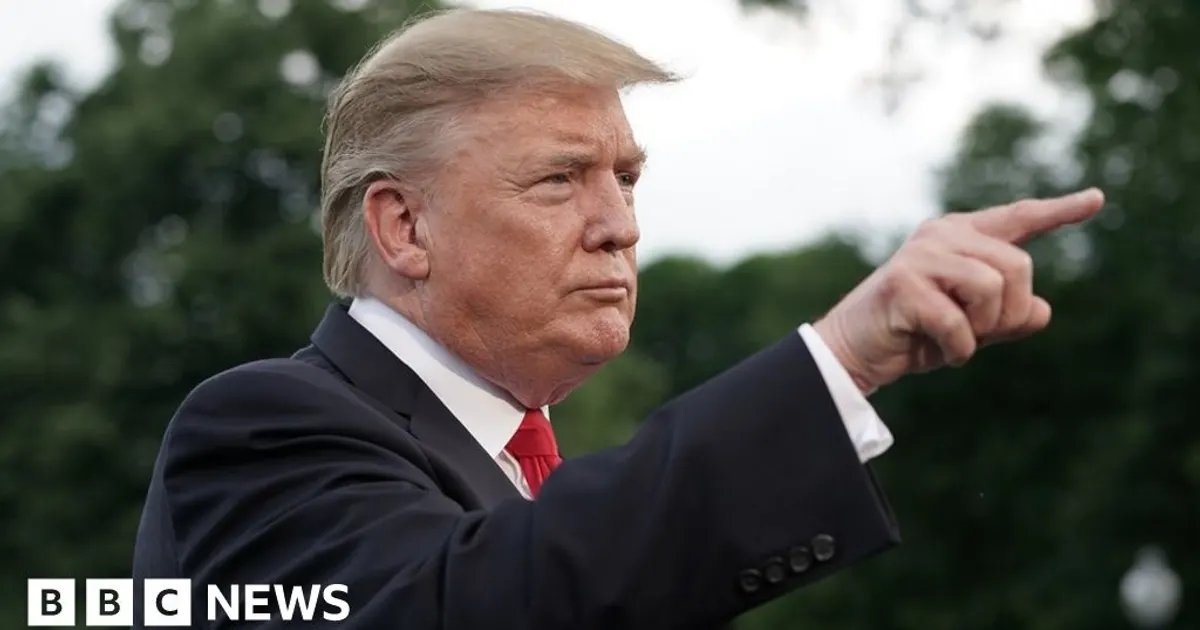
President Trump announced a fresh 10% tariff on another $300 billion of Chinese goods, effective September 1, after bilateral talks made little progress. He accused China of not honoring commitments to buy more U.S. agricultural products.
Chinese Foreign Minister Wang Yi criticized the move, and markets fell sharply in response.
Tariffs on the broad range of Chinese imports and the complaint about unmet farm purchases point to reduced U.S. agricultural export demand to China. That is bearish for soybeans and other U.S. feed grains.
 agronews.com.plMałgorzata Kulma2019/08/05
 bbc.comAdd as preferred on Google2019/08/01
 cnbc.comReuters2019/08/01
 nutraingredients.comHank Schultz2019/08/02
過去の弱気な貿易イベント683件の後、トウモロコシ は5営業日で中央値 -0.2% 動き(47% が上昇。中央50%は -1.7% から +1.6%)、20営業日では +0.3% 動きました。
過去の弱気な貿易イベント803件の後、大豆 は5営業日で中央値 +0.0% 動き(51% が上昇。中央50%は -1.7% から +1.7%)、20営業日では +0.9% 動きました。
過去の傾向を示すのに十分な類似イベントがまだありません。
過去の弱気な貿易イベント80件の後、原油(WTI) は5営業日で中央値 -2.2% 動き(30% が上昇。中央50%は -6.9% から +0.8%)、20営業日では -1.5% 動きました。
イベント直前の終値からの各商品ベンチマークの動き。過去の傾向は同種の過去イベントをまとめたものであり、起きたことを示すもので、今後を示すものではありません。投資助言ではありません。
The new 10% tariff on $300B of Chinese goods triggered the trade escalation and recession fears that hit crude demand expectations.
The Aug 1 tariff escalation and accusation that China wasn't buying US farm goods raised fears of lost export demand, setting up the sell-off that carried into Aug 5.
