読み込み中…
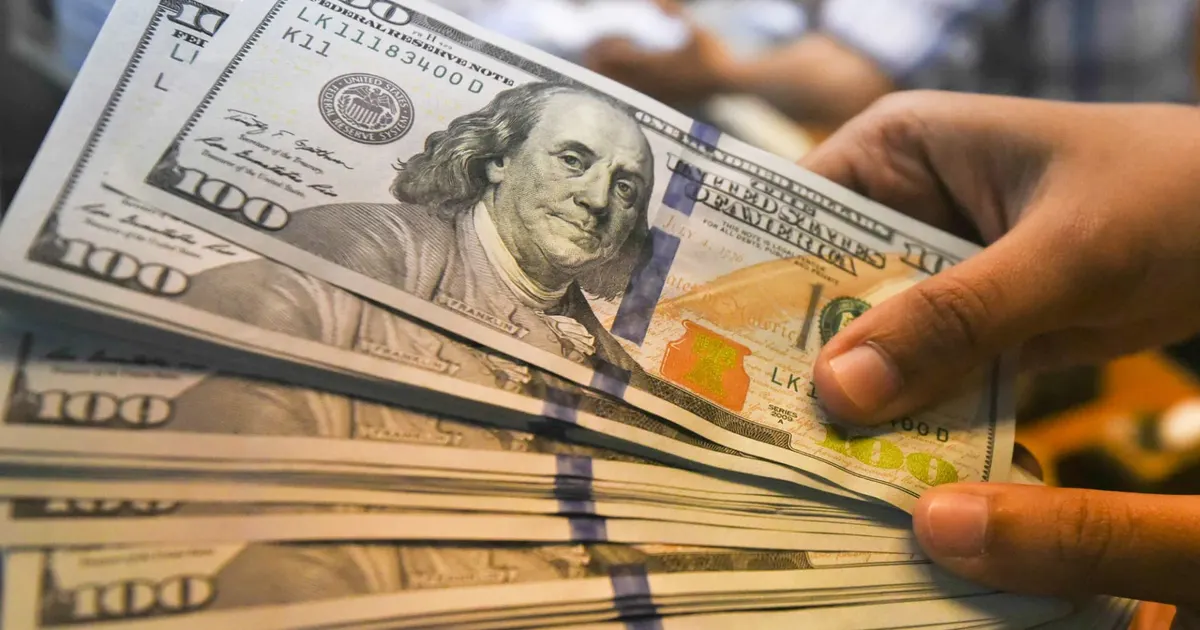
The U.S. dollar fell against its rivals on June 20, 2019, heading for its biggest two-day drop in a year after the Federal Reserve signaled it could cut rates as early as July. The ECB and RBA had also signaled more stimulus, and higher-yielding currencies such as the Australian dollar and Korean won rallied.
Some hedge funds that had built large long-dollar positions before the Fed decision were forced to sell.
A weaker dollar makes dollar-priced commodities cheaper for foreign buyers, which tends to support export demand and firm prices for feed grains and oilseeds. Expectations of lower U.S. rates also reduce the cost of carrying inventory.
 cnbc.comReuters2019/06/20
過去の弱気なマクロイベント1,637件の後、米ドル指数(広範) は5営業日で中央値 -0.2% 動き(39% が上昇。中央50%は -0.6% から +0.3%)、20営業日では -0.2% 動きました。
イベント直前の終値からの各商品ベンチマークの動き。過去の傾向は同種の過去イベントをまとめたものであり、起きたことを示すもので、今後を示すものではありません。投資助言ではありません。
Dovish Fed signal on rate cuts drove the dollar's biggest two-day drop in a year on June 20, with forced hedge fund long-dollar unwinding amplifying the move.
