読み込み中…
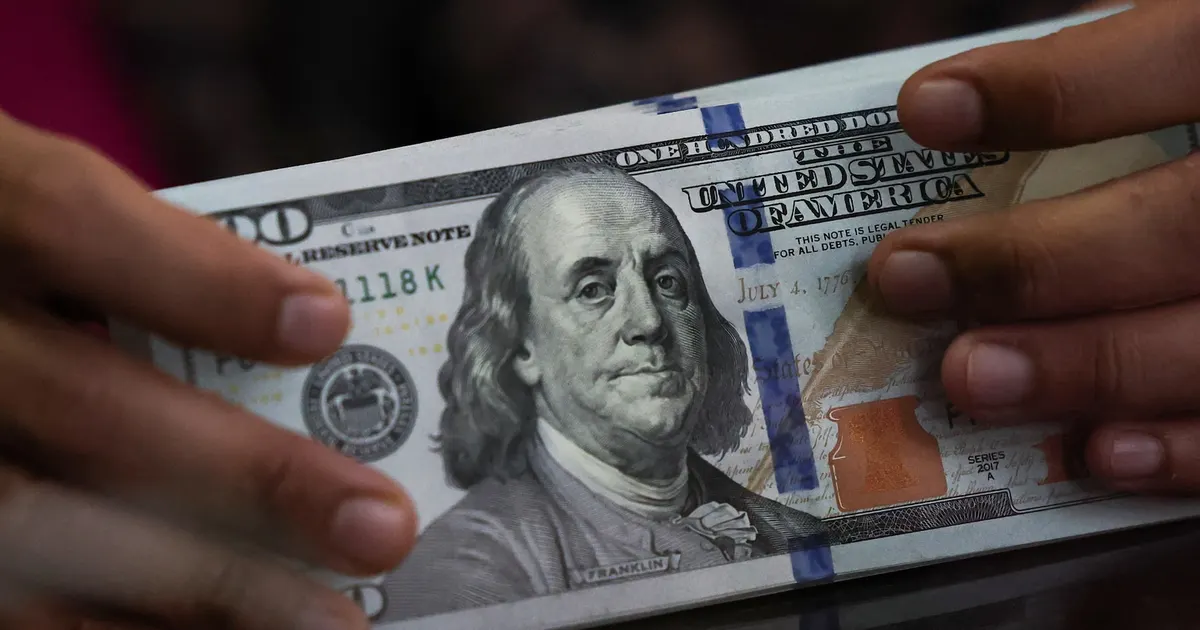
The dollar fell for its largest daily drop in over a month after White House threats to Europe over Greenland triggered a broad selloff in U.S. stocks and government bonds. The euro and other currencies gained against the greenback as investors reignited the 'Sell America' trade.
A weaker dollar makes dollar-priced feed commodities cheaper for non-U.S. buyers, which can support U.S. export demand and firm prices for corn, soybeans and meal. Renewed trade-threat volatility can also quickly reverse these moves.
 reuters.comHannah Lang2026/01/20
過去の弱気な地政学イベント33件の後、米ドル指数(広範) は5営業日で中央値 -0.6% 動き(33% が上昇。中央50%は -1.5% から +0.2%)、20営業日では -0.8% 動きました。
過去の強気な地政学イベント18件の後、ユーロ(1 EURあたりUSD) は5営業日で中央値 +1.9% 動き(83% が上昇。中央50%は +0.9% から +2.0%)、20営業日では +2.0% 動きました。
イベント直前の終値からの各商品ベンチマークの動き。過去の傾向は同種の過去イベントをまとめたものであり、起きたことを示すもので、今後を示すものではありません。投資助言ではありません。
Reuters reports the dollar had its largest daily drop in over a month on 2026-01-20 as Greenland threats triggered a 'Sell America' selloff, directly lifting EUR/USD.
