読み込み中…
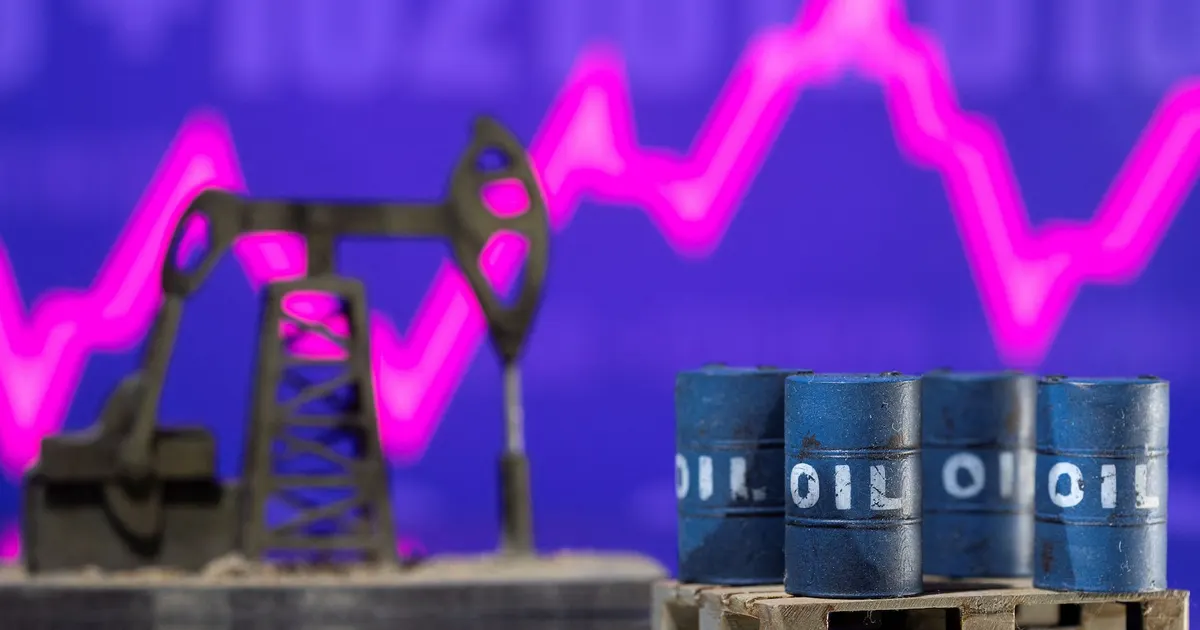
Oil prices surged over 7% after IEA members agreed to release 60 million barrels from strategic reserves, a volume equal to less than one day of global consumption. The release disappointed the market, which feared supply would not cover disruptions from sanctions on Russia.
Russian crude traded at steep discounts while other grades rose.
Sanctions-driven avoidance of Russian barrels tightens supply for other crudes, lifting energy costs for feed production, transport and processing. A small reserve release does little to offset the disruption, so the price pressure persists.
 reuters.comScott Disavino2022/03/01
過去の強気な地政学イベント656件の後、原油(ブレント) は5営業日で中央値 +1.9% 動き(63% が上昇。中央50%は -2.7% から +6.6%)、20営業日では +0.7% 動きました。
過去の強気な地政学イベント626件の後、原油(WTI) は5営業日で中央値 +2.1% 動き(62% が上昇。中央50%は -2.3% から +8.5%)、20営業日では +1.6% 動きました。
イベント直前の終値からの各商品ベンチマークの動き。過去の傾向は同種の過去イベントをまとめたものであり、起きたことを示すもので、今後を示すものではありません。投資助言ではありません。
On 2022-03-01 the IEA's 60 million barrel reserve release was seen as too small to offset Russian supply disruption, which triggered the 7%+ Brent jump that day.
The 60M barrel IEA reserve release was seen as too small to offset potential Russian supply loss, so oil rose over 7% on March 1.
The disappointing 60M barrel IEA reserve release left supply fears unaddressed and triggered the 7% surge that carried into the March 2 close.
The disappointing IEA reserve release of 60 million barrels failed to ease supply fears and added to the price surge.
