読み込み中…
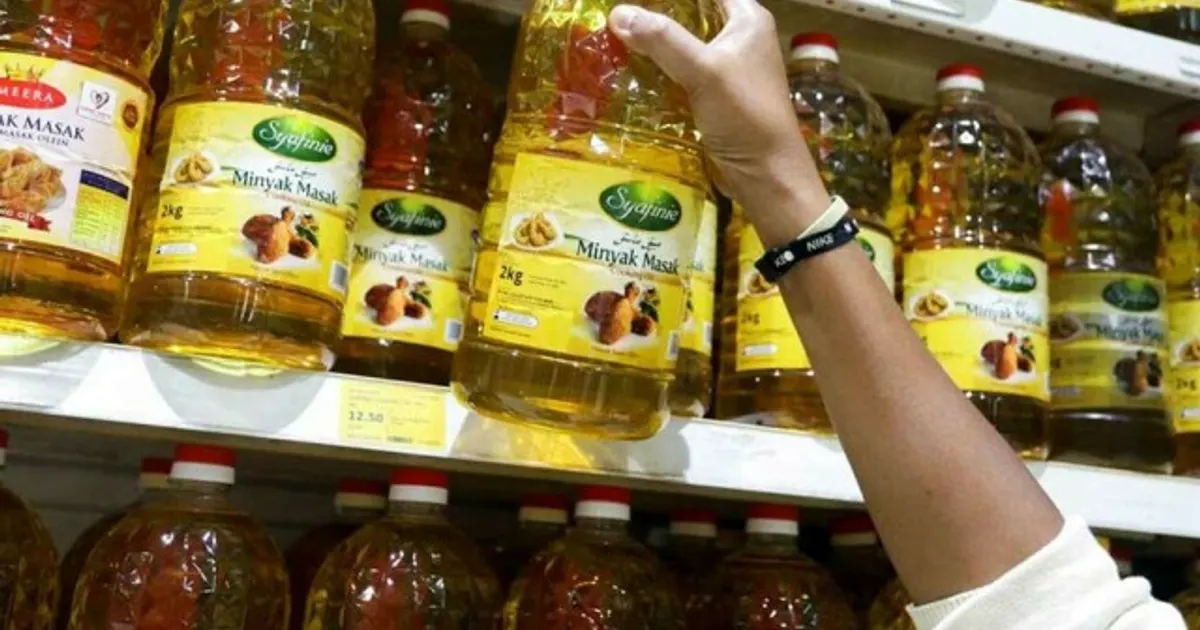
Malaysian palm oil futures fell 4.2% to 4,703 ringgit a tonne on recession fears that hit edible oils, after an intraday drop of about 7%. Malaysia's June exports fell between 7.4% and 13.4% from May as shipments to India and the EU slowed.
Palm later recovered some losses when crude oil rose on supply outages in Libya and Norway.
Recession fears reduce demand for edible oils and biodiesel, while weaker Malaysian exports add to the supply overhang. Stronger crude oil could support palm by making it more competitive as biodiesel feedstock.
 brecorder.comReuters2022/07/01
過去の弱気なマクロイベント51件の後、パーム油 は5営業日で中央値 -1.3% 動き(35% が上昇。中央50%は -4.1% から +1.1%)、20営業日では -1.8% 動きました。
過去の弱気なマクロイベント40件の後、大豆油 は5営業日で中央値 -0.8% 動き(45% が上昇。中央50%は -4.5% から +1.7%)、20営業日では -1.5% 動きました。
過去の強気なマクロイベント487件の後、原油(WTI) は5営業日で中央値 +1.0% 動き(60% が上昇。中央50%は -2.0% から +4.0%)、20営業日では +1.5% 動きました。
イベント直前の終値からの各商品ベンチマークの動き。過去の傾向は同種の過去イベントをまとめたものであり、起きたことを示すもので、今後を示すものではありません。投資助言ではありません。
4% drop on July 1 on recession fears and a higher supply outlook, with weaker June exports to India and the EU.
Recession fears hit edible oils with an intraday drop of ~7%, alongside weaker June Malaysian exports and a higher supply outlook, matching the window's sharp selloff.
July 1 recession fears and a higher supply outlook hit edible oils, setting up the weak sentiment that carried into the July 4 soyoil drop.
Recession fears and weaker June Malaysian exports hit edible oils just before the move, adding demand-side and sentiment pressure.
