読み込み中…
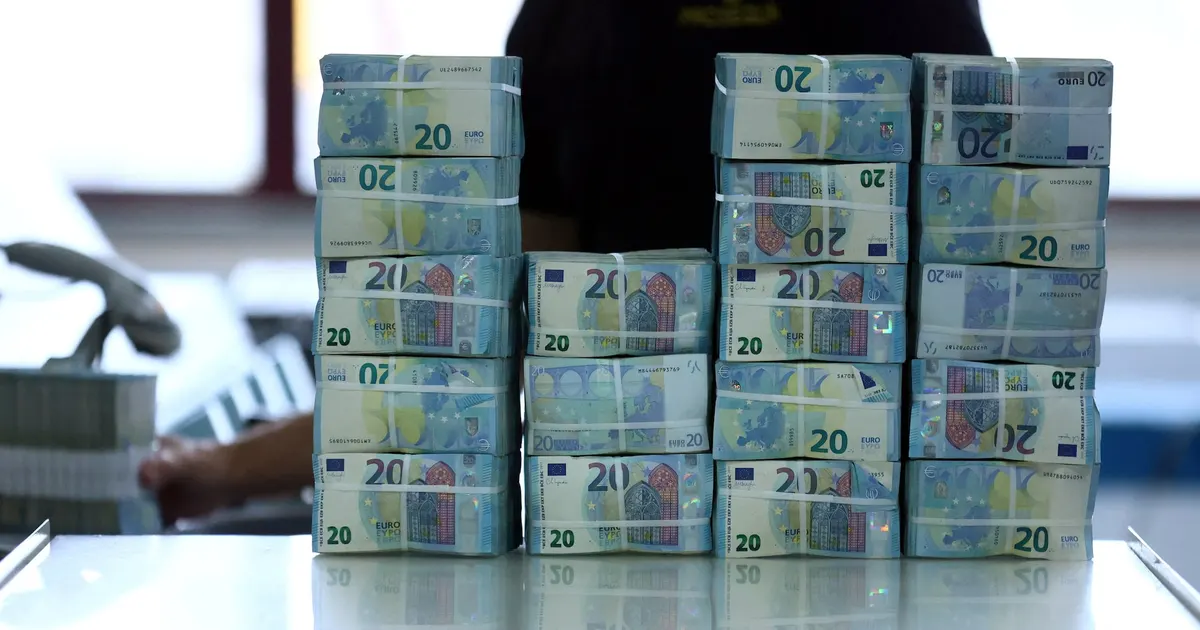
The euro rose to about $1.07, its highest in four months, after the parties forming Germany's next government agreed to overhaul the debt brake. The plan exempts defence spending above 1% of GDP and creates a 500 billion euro infrastructure fund.
Large German fiscal expansion strengthens the euro and eases pressure on European growth, while tariff risks remain. For feed buyers, a firmer euro and stronger European demand for energy and inputs shape import costs and currency-linked prices.
 reuters.comHarry Robertson2025/03/05
過去の強気なマクロイベント388件の後、ユーロ(1 EURあたりUSD) は5営業日で中央値 +0.3% 動き(62% が上昇。中央50%は -0.4% から +1.1%)、20営業日では +0.1% 動きました。
過去の弱気なマクロイベント1,637件の後、米ドル指数(広範) は5営業日で中央値 -0.2% 動き(39% が上昇。中央50%は -0.6% から +0.3%)、20営業日では -0.2% 動きました。
イベント直前の終値からの各商品ベンチマークの動き。過去の傾向は同種の過去イベントをまとめたものであり、起きたことを示すもので、今後を示すものではありません。投資助言ではありません。
Dated on the move day, it reports the euro jumping to about $1.07 after Germany agreed to overhaul the debt brake and create a 500bn euro fund, the main driver of the 2.2% gain.
German debt brake overhaul and 500bn euro fund on March 5 pushed the euro to about $1.07, which mechanically weighed on the broad dollar.
German debt brake overhaul and 500bn euro infrastructure fund sent EUR sharply higher, the main driver of broad dollar weakness via the heavily weighted euro.
The euro rose to about $1.07, a four-month high, as the German debt brake overhaul unwound parity bets, a major driver of the move.
