読み込み中…
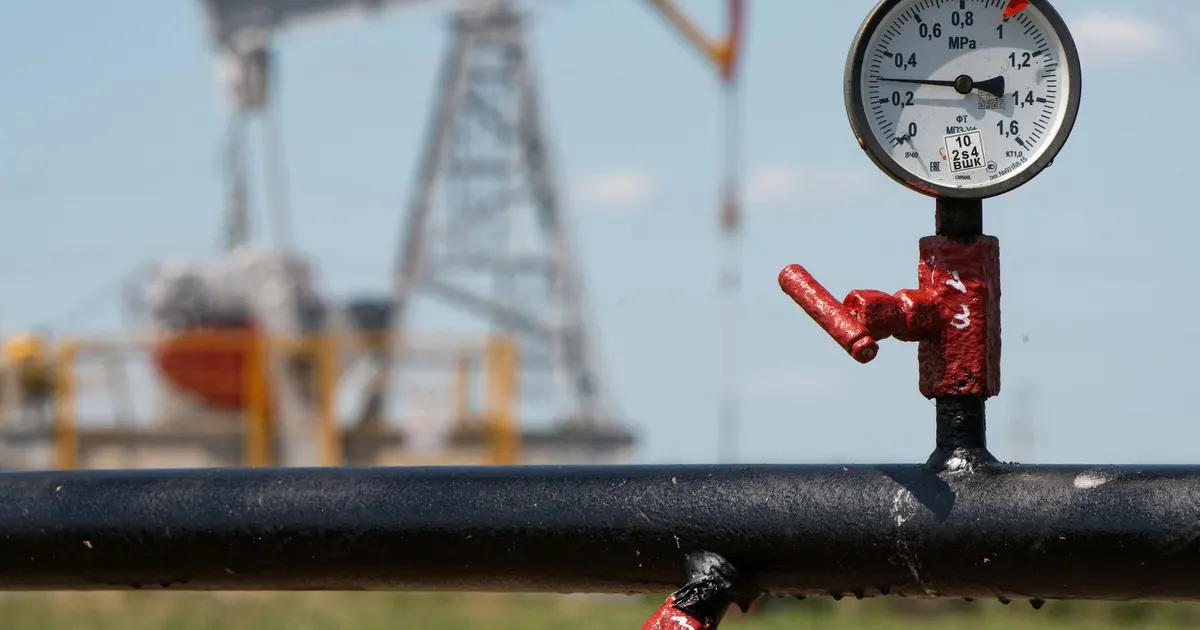
US crude futures jumped about 12% a barrel after the Strait of Hormuz was effectively closed for seven days. Roughly 140 million barrels of oil that normally transit the waterway each day have been disrupted.
Loss of Hormuz flows removes about a fifth of world oil supply, pushing crude and energy-linked input costs sharply higher. Higher diesel and fertilizer costs and freight rates raise the cost of feed production and shift demand toward substitutes.
 reuters.comErwin Seba2026/03/06
過去の強気な地政学イベント626件の後、原油(WTI) は5営業日で中央値 +2.1% 動き(62% が上昇。中央50%は -2.3% から +8.5%)、20営業日では +1.6% 動きました。
過去の強気な地政学イベント656件の後、原油(ブレント) は5営業日で中央値 +1.9% 動き(63% が上昇。中央50%は -2.7% から +6.6%)、20営業日では +0.7% 動きました。
過去の強気な地政学イベント250件の後、ULSD / ディーゼル は5営業日で中央値 +1.7% 動き(58% が上昇。中央50%は -3.6% から +8.7%)、20営業日では +0.9% 動きました。
過去の強気な地政学イベント136件の後、天然ガス は5営業日で中央値 +2.7% 動き(63% が上昇。中央50%は -1.8% から +8.8%)、20営業日では +4.0% 動きました。
イベント直前の終値からの各商品ベンチマークの動き。過去の傾向は同種の過去イベントをまとめたものであり、起きたことを示すもので、今後を示すものではありません。投資助言ではありません。
Dated March 6, it reports a roughly 12% jump in US crude futures after Hormuz was effectively closed for seven days, a direct supply shock that Brent shared.
Effective seven-day Hormuz closure disrupting huge oil volumes pushed crude futures sharply higher on March 6.
WTI surged about 12% in a day after Hormuz was effectively closed for a week, disrupting large crude flows.
Effective Hormuz closure for seven days disrupted flows and lifted crude futures sharply.
