読み込み中…
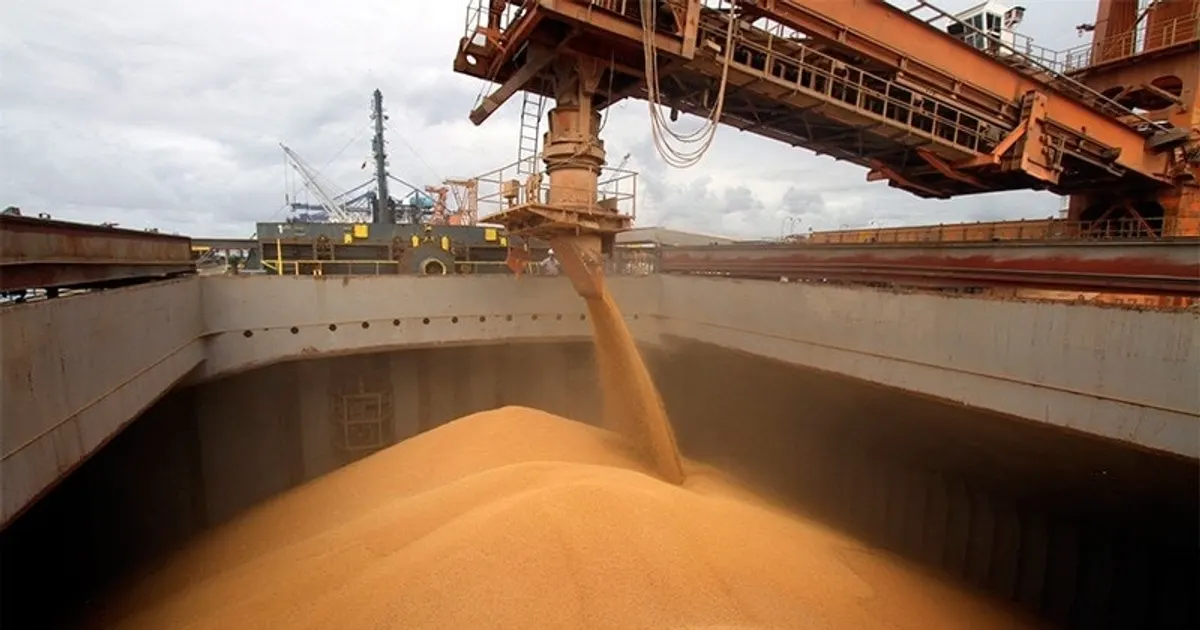
Argentina's grain receivers union Urgara announced a port work stoppage from March 19 to March 25, arguing grain classification is not essential under the COVID-19 isolation decree. Business chambers warned the strike could jeopardize loading of 18 ships carrying about 2.2 million tonnes of grain, and a mandatory conciliation by the Labor Ministry was expected.
Disrupted port loadings delay Argentine soybean, meal and corn export flows, tightening nearby supplies and supporting meal and oil prices while shipments are held up.
 aduananews.comAduanaNews2020/03/21
過去の強気な物流イベント167件の後、大豆粕 は5営業日で中央値 +0.5% 動き(54% が上昇。中央50%は -1.8% から +2.9%)、20営業日では -1.2% 動きました。
過去の強気な物流イベント206件の後、大豆 は5営業日で中央値 +0.5% 動き(56% が上昇。中央50%は -1.3% から +2.6%)、20営業日では +1.4% 動きました。
過去の強気な物流イベント285件の後、トウモロコシ は5営業日で中央値 +0.1% 動き(52% が上昇。中央50%は -1.5% から +1.5%)、20営業日では +0.8% 動きました。
イベント直前の終値からの各商品ベンチマークの動き。過去の傾向は同種の過去イベントをまとめたものであり、起きたことを示すもので、今後を示すものではありません。投資助言ではありません。
Argentine port grain receivers' strike (Mar 19-25) put loading of 18 ships and 2.2 Mt at risk, tightening soymeal export supply.
The Argentine port strike threatened loading of 18 ships carrying about 2.2 million tonnes of grain, which would cut the supply reaching export markets and support US soybean prices.
Argentine grain receivers' port strike from March 19 threatened loading of 18 ships, which implies tighter soymeal export supply from the world's top exporter and supports prices.
The Argentine port strike was set to end March 25 with mandatory conciliation expected, so easing supply fears could remove the premium.
