読み込み中…
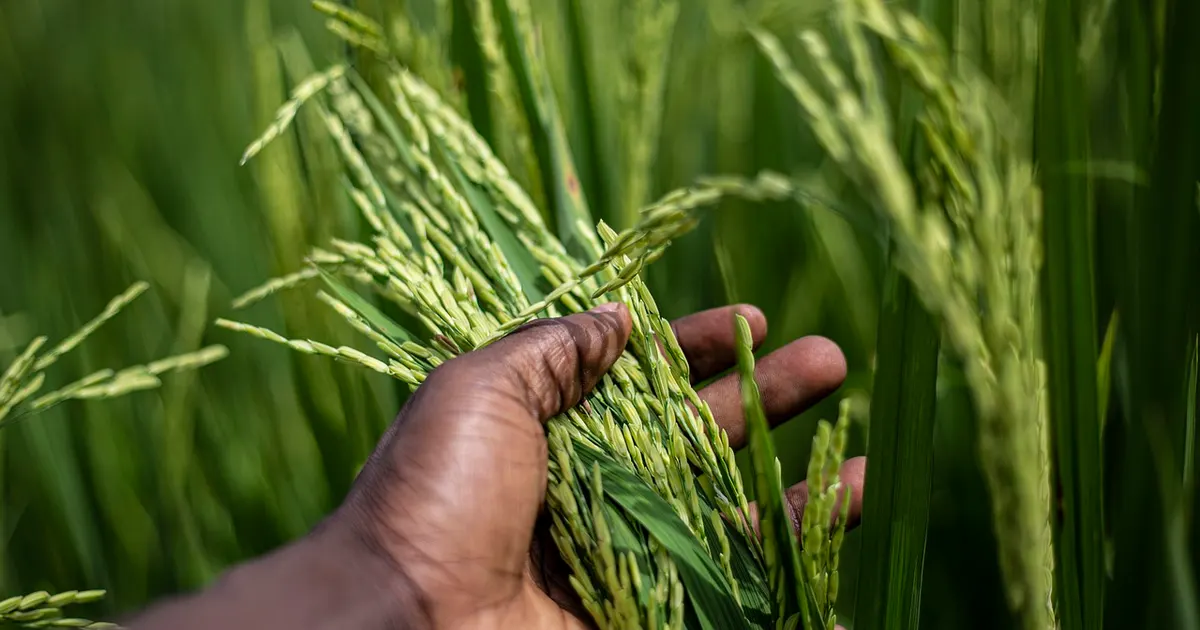
Rough rice prices dropped sharply after July 4, 2024, as Hurricane Beryl was expected to miss damaging growing areas and bring beneficial moisture to the Delta. Improved US weather and anticipated large crops after earlier heavy rain suggest supply tightness will ease.
Wheat rose in the prior week on hot, dry weather in eastern Europe and Russia and wet weather in France, and USDA quarterly stocks came in slightly above expectations.
Expected larger US rice crops point to significantly higher fall supplies and lower rice prices. Wheat gains from Black Sea and European weather support feed grain costs but are tempered by the stocks report.
 born2invest.comJack Scoville2024/07/09
過去の弱気な天候イベント27件の後、籾米 は5営業日で中央値 -1.6% 動き(37% が上昇。中央50%は -3.4% から +1.1%)、20営業日では -1.3% 動きました。
過去の強気な天候イベント1,072件の後、小麦(SRW) は5営業日で中央値 +0.2% 動き(55% が上昇。中央50%は -1.4% から +2.3%)、20営業日では +0.3% 動きました。
過去の強気な天候イベント322件の後、小麦(HRW) は5営業日で中央値 -0.1% 動き(49% が上昇。中央50%は -2.5% から +3.2%)、20営業日では +1.0% 動きました。
イベント直前の終値からの各商品ベンチマークの動き。過去の傾向は同種の過去イベントをまとめたものであり、起きたことを示すもので、今後を示すものではありません。投資助言ではありません。
Hurricane Beryl was expected to miss US Delta growing areas and bring beneficial moisture, easing supply-risk premium and triggering a sharp drop in rough rice futures.
Describes wheat rising on hot, dry weather in eastern Europe and Russia and wet weather in France, plus slightly bearish USDA stocks, which fits a short-covering rally into July 8.
Rough rice prices fell sharply as Hurricane Beryl was expected to miss US growing areas, easing weather-related supply fears and adding bearish sentiment.
Hurricane Beryl was expected to miss growing areas and bring beneficial moisture, easing supply concerns and prompting a sharp drop in rough rice prices in early July, though the timing precedes the 5-day window.
Hurricane Beryl was expected to miss US growing areas and bring beneficial moisture, which eased supply-risk premium in US rough rice, though this precedes the July 11 move and does not clearly explain an 11.4% single-day jump.
Hurricane Beryl was expected to miss growing areas and bring beneficial moisture, which eased supply-tightness concerns and removed weather premium, but it is dated earlier and describes a decline after July 4.
