読み込み中…
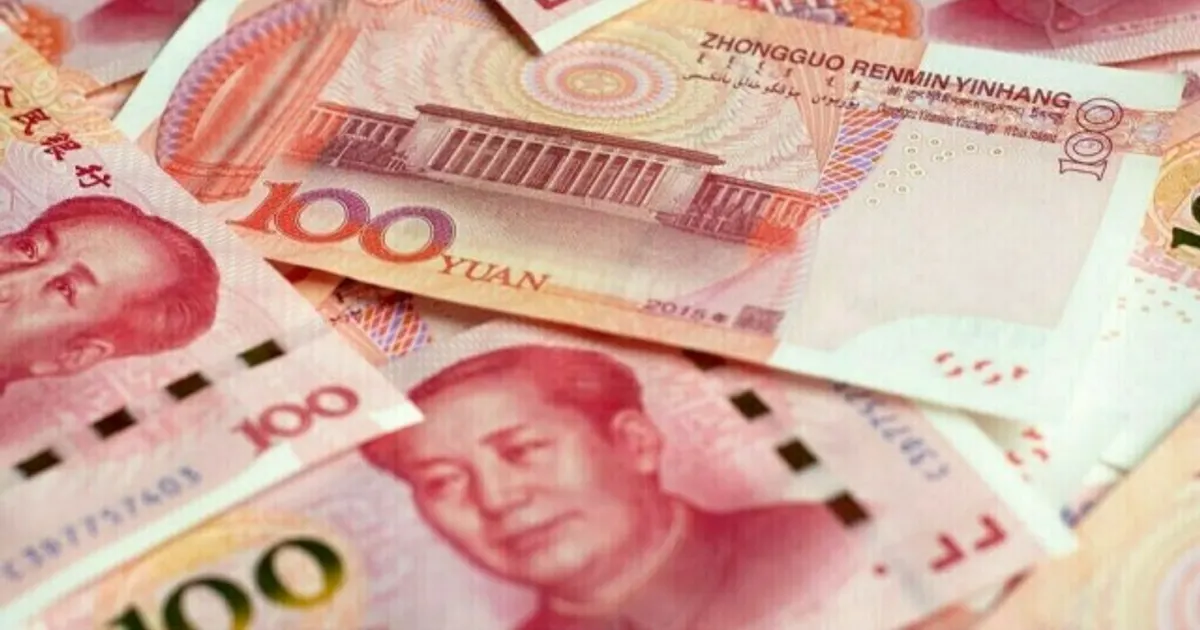
The yuan touched a more than two-year low against the dollar on Sept. 5, pressured by broad dollar strength and a resurgence of COVID-19 infections.
Shenzhen adopted tiered anti-virus restrictions and Chengdu extended lockdown curbs, while the PBOC set firmer-than-expected fixings.
Renewed COVID restrictions weaken Chinese economic activity and feed demand, and a weaker yuan raises the dollar cost of imports, both bearish for feed ingredient purchases.
 brecorder.comReuters2022/09/05
過去のあらゆる種類の強気イベント487件の後、中国人民元(1 USDあたりCNY) は5営業日で中央値 +0.1% 動き(56% が上昇。中央50%は -0.3% から +0.6%)、20営業日では +0.1% 動きました。
過去の弱気な疾病イベント50件の後、大豆 は5営業日で中央値 +0.5% 動き(58% が上昇。中央50%は -1.7% から +2.4%)、20営業日では +0.0% 動きました。
過去の弱気な疾病イベント117件の後、ホッグ(リーン) は5営業日で中央値 -0.6% 動き(36% が上昇。中央50%は -2.2% から +1.6%)、20営業日では +1.2% 動きました。
イベント直前の終値からの各商品ベンチマークの動き。過去の傾向は同種の過去イベントをまとめたものであり、起きたことを示すもので、今後を示すものではありません。投資助言ではありません。
Dollar strength and COVID resurgence pushed the yuan to a two-year low on Sept. 5, setting the extreme starting point for the sharp reversal and contributing to the volatility.
