読み込み中…
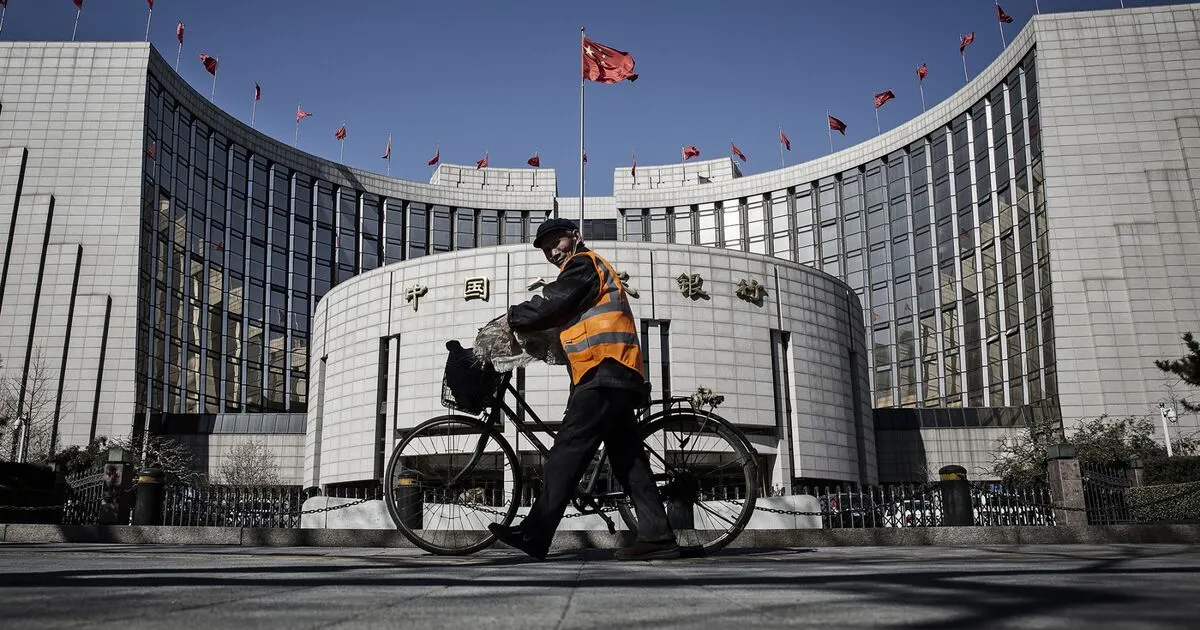
According to Goldman Sachs, China's central bank changed its yuan fixing mechanism after the US presidential election to support a stronger currency. The move was made as capital outflows grew and President-elect Trump threatened protectionist trade policies.
A deliberate change in fixing practice signals state intervention to stabilize the yuan, which reduces the odds of a sharp devaluation that would hit Chinese import demand. Trade-policy threats also keep US-China export flows uncertain.
 bloomberg.comYe Xie2017/01/09
過去の弱気な政策イベント50件の後、中国人民元(1 USDあたりCNY) は5営業日で中央値 -0.1% 動き(46% が上昇。中央50%は -0.4% から +0.4%)、20営業日では -0.0% 動きました。
イベント直前の終値からの各商品ベンチマークの動き。過去の傾向は同種の過去イベントをまとめたものであり、起きたことを示すもので、今後を示すものではありません。投資助言ではありません。
Goldman noted the PBOC fixing mechanism was geared toward a stronger currency, a policy signal that anchored yuan strength.
