Caricamento…
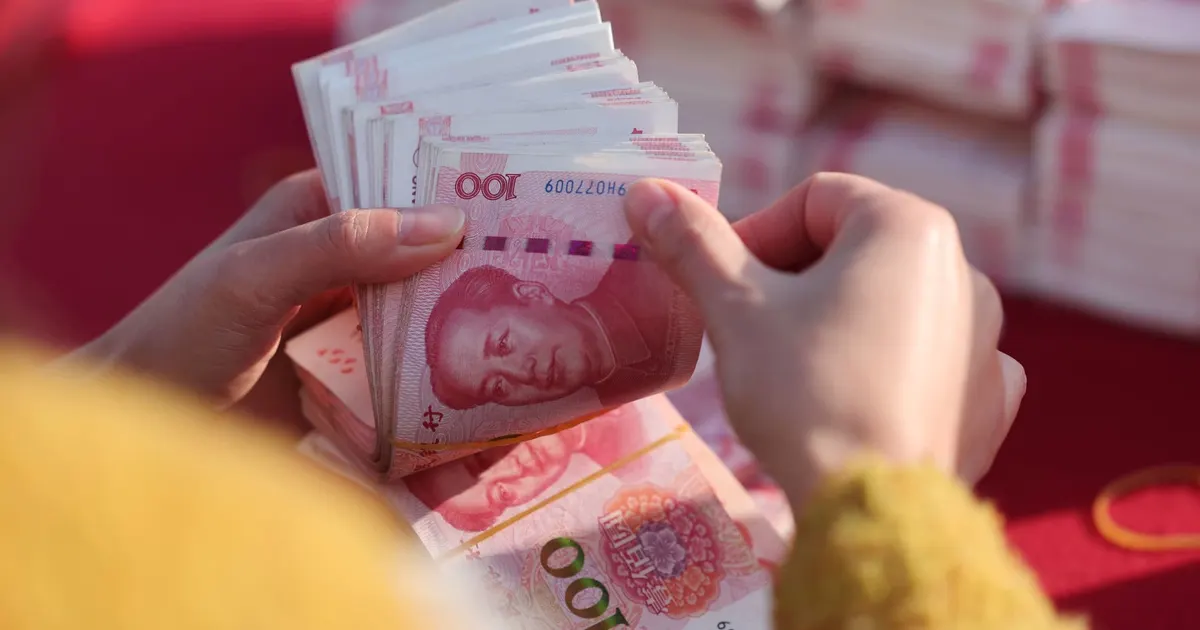
The offshore yuan has lost more than 3% since Donald Trump's November election victory, and the onshore yuan has slipped to near a 16-month low. Market watchers expect further depreciation against a stronger dollar, with the pace depending on Beijing's willingness to limit volatility.
A weaker yuan makes Chinese exports cheaper and may reduce Chinese demand for dollar-priced feed inputs, while also signaling fears of a trade war that could dampen Chinese import demand for US soybeans and corn.
 cnbc.comAnniek Bao20 gen 2025
Dopo 398 eventi macro rialzista passati, Yuan cinese (CNY per USD) si è mosso in mediana di +0,0% in 5 sedute (56% in rialzo; metà centrale da -0,3% a +0,5%), e di +0,0% in 20.
Dopo 273 eventi macro ribassista passati, Soia si è mosso in mediana di -0,4% in 5 sedute (44% in rialzo; metà centrale da -2,4% a +1,4%), e di -0,5% in 20.
Dopo 301 eventi macro ribassista passati, Mais si è mosso in mediana di -0,1% in 5 sedute (47% in rialzo; metà centrale da -2,2% a +1,3%), e di +0,2% in 20.
Variazioni del benchmark di ciascuna materia prima rispetto all'ultima chiusura prima dell'evento. Le letture storiche raggruppano eventi passati dello stesso tipo; descrivono ciò che è accaduto, non ciò che accadrà. Non è consulenza di investimento.
