Caricamento…
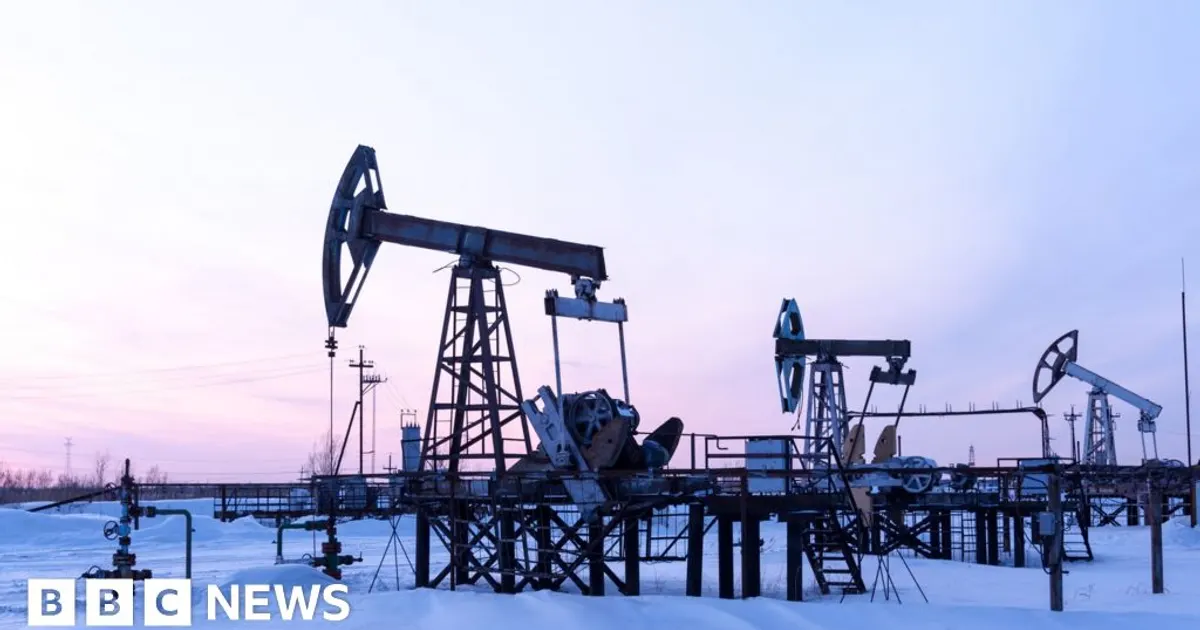
Brent crude passed $113 a barrel on March 2, 2022, its highest level since June 2014, as traders bought non-Russian crude. Buyers avoided Russian oil over sanctions and payment and shipping difficulties, and Trafigura could not sell a Russian cargo even at a record $18.60 discount to Brent.
Gas prices in the UK also roughly doubled.
Loss of Russian barrels from the market, roughly 8% of global supply, tightens crude and diesel availability and raises transport and feed production costs. The sanctions-driven discount on Russian crude shows the disruption is in trade flows, not just volumes.
 bbc.comJosh Martin2 mar 2022
Dopo 656 eventi geopolitica rialzista passati, Petrolio greggio (Brent) si è mosso in mediana di +1,9% in 5 sedute (63% in rialzo; metà centrale da -2,7% a +6,6%), e di +0,7% in 20.
Dopo 250 eventi geopolitica rialzista passati, ULSD / Gasolio si è mosso in mediana di +1,7% in 5 sedute (58% in rialzo; metà centrale da -3,6% a +8,7%), e di +0,9% in 20.
Variazioni del benchmark di ciascuna materia prima rispetto all'ultima chiusura prima dell'evento. Le letture storiche raggruppano eventi passati dello stesso tipo; descrivono ciò che è accaduto, non ciò che accadrà. Non è consulenza di investimento.
Brent passed $113 on March 2 as buyers shunned Russian crude and shifted to non-Russian barrels, a trade-flow and supply shock.
Buyers shunned Russian crude and shifted to non-Russian barrels, lifting Brent above $113 on March 2.
