Caricamento…
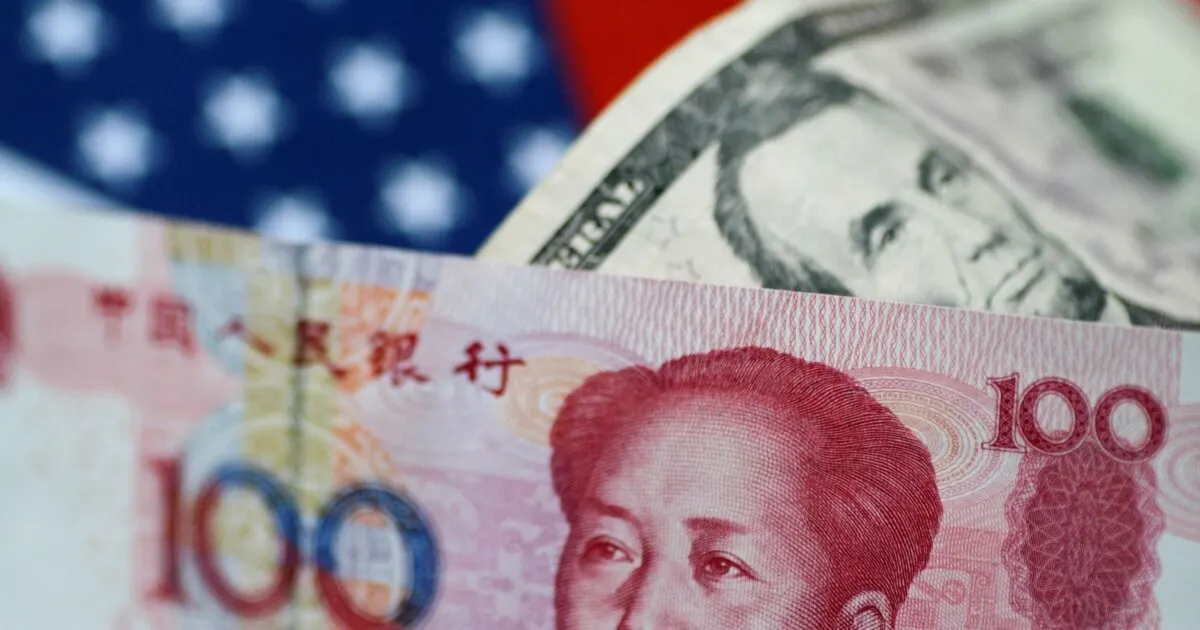
China's yuan and stock markets attempted a modest recovery after a sharp sell-off, though investors faced heavy losses as the Sino-U.S. trade row deepened. The yuan was set for its biggest monthly fall since the 1994 exchange rate unification, and Chinese stocks were heading for their largest monthly slide since January 2016.
Neither Washington nor Beijing showed signs of backing down on tariffs.
An ongoing tariff standoff threatens US agricultural export flows to China, a key soybean and feed-ingredient buyer, and the weaker yuan raises the dollar cost of those imports. Capital outflow risks could further slow Chinese feed demand.
 voanews.comReuters29 giu 2018
Dopo 803 eventi commercio ribassista passati, Soia si è mosso in mediana di +0,0% in 5 sedute (51% in rialzo; metà centrale da -1,7% a +1,7%), e di +0,9% in 20.
Dopo 40 eventi commercio rialzista passati, Yuan cinese (CNY per USD) si è mosso in mediana di +0,6% in 5 sedute (75% in rialzo; metà centrale da +0,0% a +1,4%), e di +1,1% in 20.
Variazioni del benchmark di ciascuna materia prima rispetto all'ultima chiusura prima dell'evento. Le letture storiche raggruppano eventi passati dello stesso tipo; descrivono ciò che è accaduto, non ciò che accadrà. Non è consulenza di investimento.
