Caricamento…
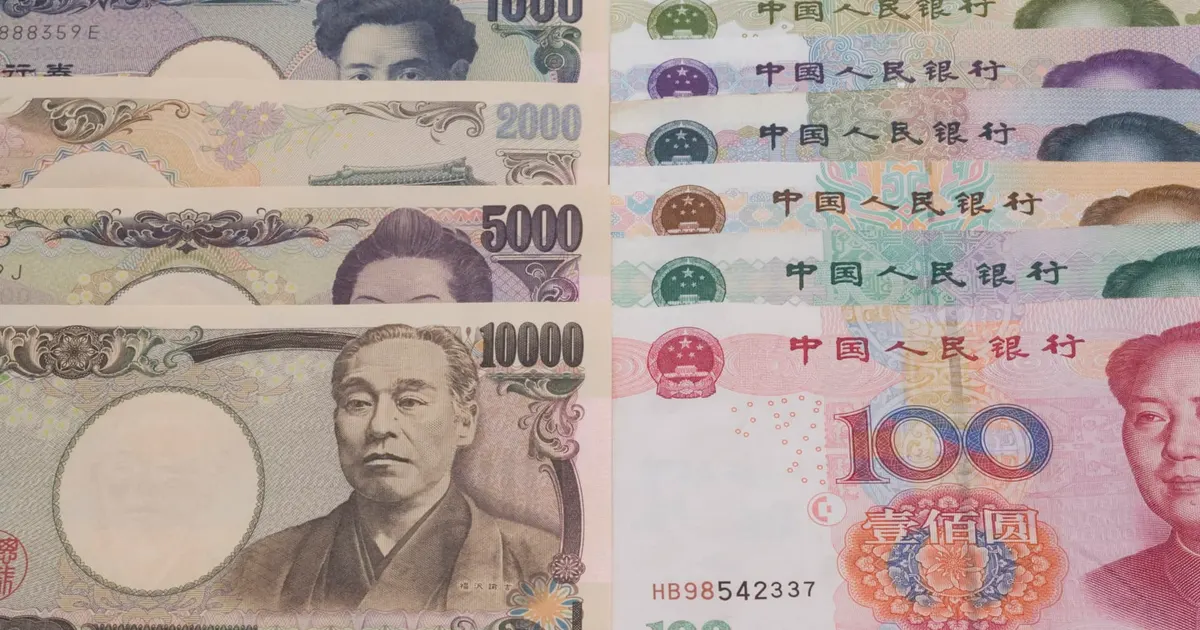
The yuan fell to 6.92 per dollar, its weakest since December, as China announced higher tariffs on $60 billion of US goods after the US raised tariffs on $200 billion of Chinese products. Concerns grew that China might sell its Treasury holdings as leverage.
Retaliatory tariffs on US goods threaten US farm export demand, particularly soybeans, and a weaker yuan makes US agricultural imports more expensive for Chinese buyers, pressuring US feed grain and soybean prices.
 cnbc.comReuters13 mag 2019
Dopo 803 eventi commercio ribassista passati, Soia si è mosso in mediana di +0,0% in 5 sedute (51% in rialzo; metà centrale da -1,7% a +1,7%), e di +0,9% in 20.
Dopo 683 eventi commercio ribassista passati, Mais si è mosso in mediana di -0,2% in 5 sedute (47% in rialzo; metà centrale da -1,7% a +1,6%), e di +0,3% in 20.
Dopo 40 eventi commercio rialzista passati, Yuan cinese (CNY per USD) si è mosso in mediana di +0,6% in 5 sedute (75% in rialzo; metà centrale da +0,0% a +1,4%), e di +1,1% in 20.
Variazioni del benchmark di ciascuna materia prima rispetto all'ultima chiusura prima dell'evento. Le letture storiche raggruppano eventi passati dello stesso tipo; descrivono ciò che è accaduto, non ciò che accadrà. Non è consulenza di investimento.
On 2019-05-13 the yuan fell to about 6.92 per dollar, its weakest since December, after China announced retaliatory tariffs on $60B of US goods, which directly explains the 0.80% one-day move.
China's tariff hike on $60B of US goods on May 13 is the main trade shock hitting soybean demand expectations.
