Caricamento…
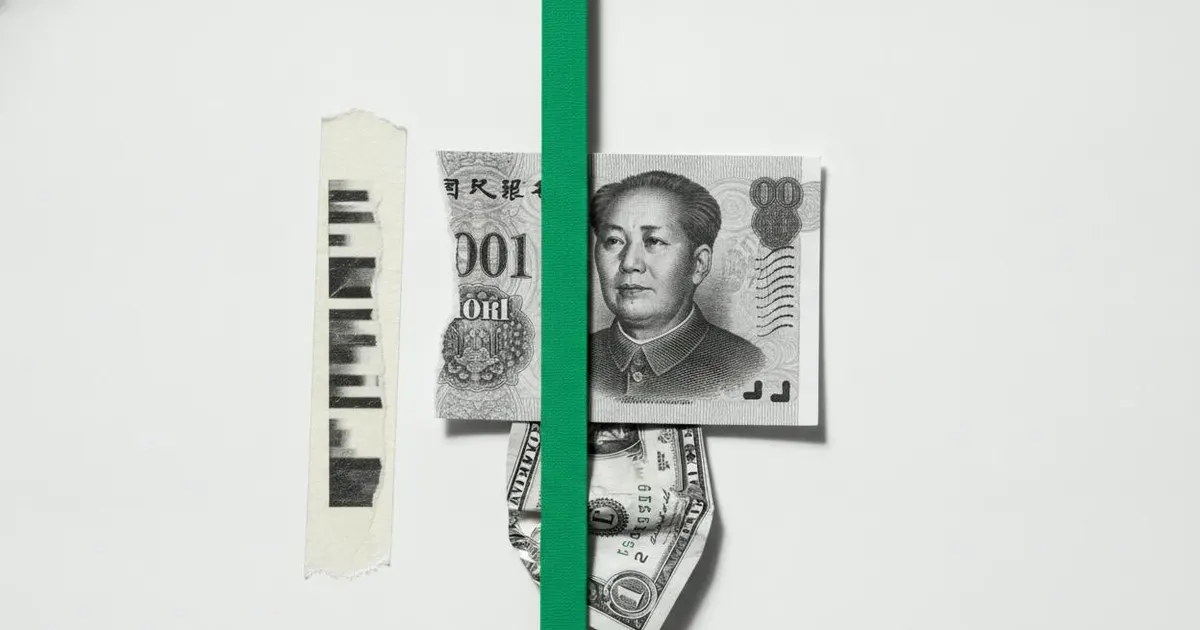
The onshore yuan strengthened to a three-year high of 6.7573 per dollar after reports that the US and Iran struck a deal to reopen the Strait of Hormuz. The PBOC set its daily midpoint at 6.8088, weaker than model estimates, to temper gains.
Reopening the Strait of Hormuz would ease energy prices and reduce dollar demand as a safe haven, lowering input costs for feed production while the yuan's strength supports Chinese import capacity.
 finimize.comFinimize Newsroom15 giu 2026
Dopo 255 eventi geopolitica ribassista passati, Petrolio greggio (WTI) si è mosso in mediana di -2,4% in 5 sedute (31% in rialzo; metà centrale da -7,0% a +1,7%), e di -5,0% in 20.
Dopo 250 eventi geopolitica ribassista passati, Petrolio greggio (Brent) si è mosso in mediana di -3,1% in 5 sedute (36% in rialzo; metà centrale da -7,9% a +1,6%), e di -5,5% in 20.
Dopo 10 eventi geopolitica ribassista passati, Yuan cinese (CNY per USD) si è mosso in mediana di -0,3% in 5 sedute (40% in rialzo; metà centrale da -0,5% a +0,2%), e di -0,8% in 20.
Variazioni del benchmark di ciascuna materia prima rispetto all'ultima chiusura prima dell'evento. Le letture storiche raggruppano eventi passati dello stesso tipo; descrivono ciò che è accaduto, non ciò che accadrà. Non è consulenza di investimento.
The yuan's three-year high of 6.7573 on US-Iran deal hopes set a low base for USD/CNY, so the later rebound in the pair partly reflects reversal from that extreme; the PBOC's weaker midpoint also tempered gains.
