Caricamento…
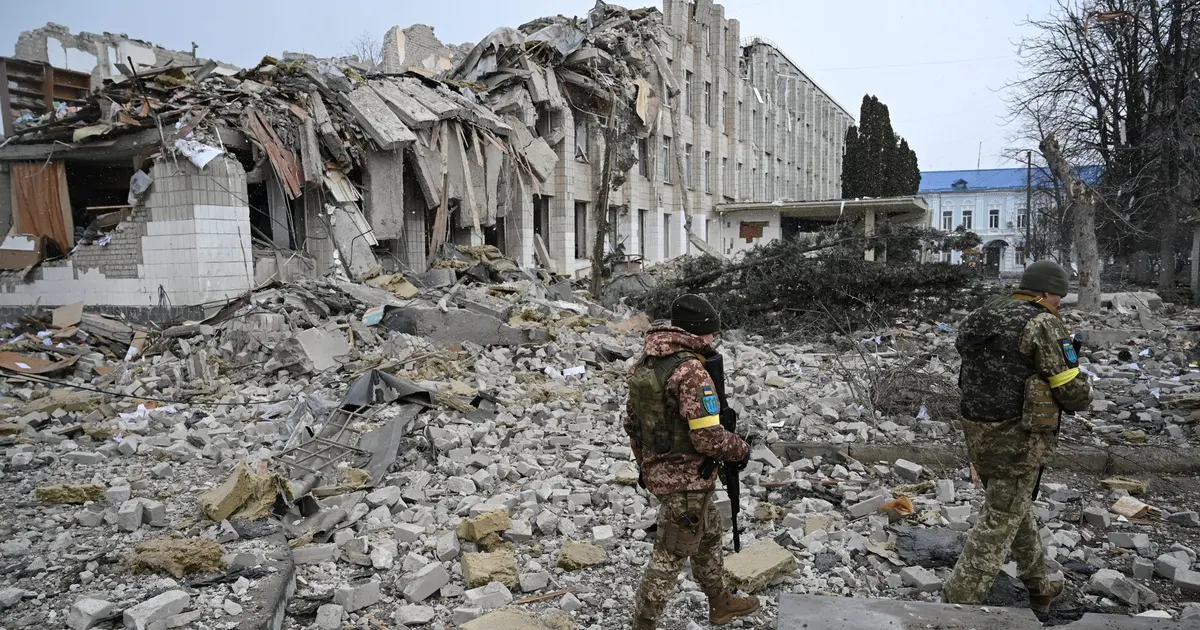
Market liquidity weakened during the week and deteriorated overnight amid Russia-Ukraine turmoil. The dollar index rose nearly 1%, mainly at the expense of the euro, which fell about 3% that week.
The decline was attributed to Europe's exposure to the Russian economy.
Market stress and a stronger dollar create currency-driven swings in dollar-priced feed commodities, with the effect on import costs for European buyers depending on how long the strain lasts.
 reuters.comDhara Ranasinghe5 mar 2022
Dopo 89 eventi geopolitica rialzista passati, Dollaro USA (ampio) si è mosso in mediana di +0,5% in 5 sedute (74% in rialzo; metà centrale da -0,0% a +1,0%), e di +0,3% in 20.
Dopo 36 eventi geopolitica ribassista passati, Euro (USD per EUR) si è mosso in mediana di -1,0% in 5 sedute (22% in rialzo; metà centrale da -1,8% a -0,3%), e di -0,7% in 20.
Variazioni del benchmark di ciascuna materia prima rispetto all'ultima chiusura prima dell'evento. Le letture storiche raggruppano eventi passati dello stesso tipo; descrivono ciò che è accaduto, non ciò che accadrà. Non è consulenza di investimento.
Euro fell about 3% that week as dollar demand rose and Europe's exposure to Russia was priced in, matching the size of the move.
Weekly dollar gain of nearly 1% against a euro down about 3% on Europe's exposure to Russia, and weakened market liquidity, reflects the stress-driven dollar bid.
