Caricamento…
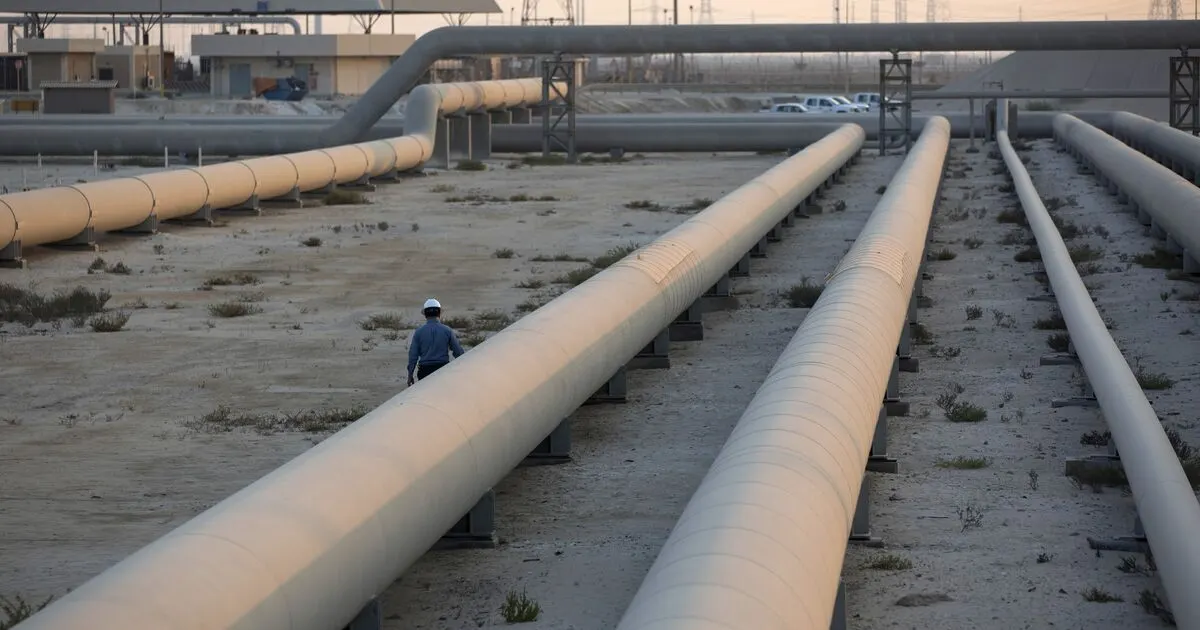
Brent crude in London fell below $40 a barrel for the first time since late June, and New York futures also fell sharply. Both benchmarks reached their lowest levels in nearly three months.
Markets cited stalling Asian demand, the end of the US summer driving season, and higher OPEC and allied supply.
Weaker demand and rising supply point to continued downward pressure on crude prices. Lower energy costs can ease input expenses for feed producers but also weaken biofuel margins.
 bloomberg.comAshley Carman7 set 2020
Dopo 312 eventi macro ribassista passati, Petrolio greggio (Brent) si è mosso in mediana di -1,7% in 5 sedute (38% in rialzo; metà centrale da -5,4% a +2,3%), e di -1,7% in 20.
Dopo 565 eventi macro ribassista passati, Petrolio greggio (WTI) si è mosso in mediana di -1,4% in 5 sedute (41% in rialzo; metà centrale da -5,9% a +3,0%), e di -0,5% in 20.
Variazioni del benchmark di ciascuna materia prima rispetto all'ultima chiusura prima dell'evento. Le letture storiche raggruppano eventi passati dello stesso tipo; descrivono ciò che è accaduto, non ciò che accadrà. Non è consulenza di investimento.
Brent fell below $40 on stalling Asian demand, the end of the US driving season and higher OPEC+ supply, describing the sentiment behind the drop.
Brent fell below $40 on stalling Asian demand and higher OPEC supply, which set up the move. The date is ambiguous (Sept 7 was a US holiday), so it may describe the Sept 8 drop.
