Caricamento…
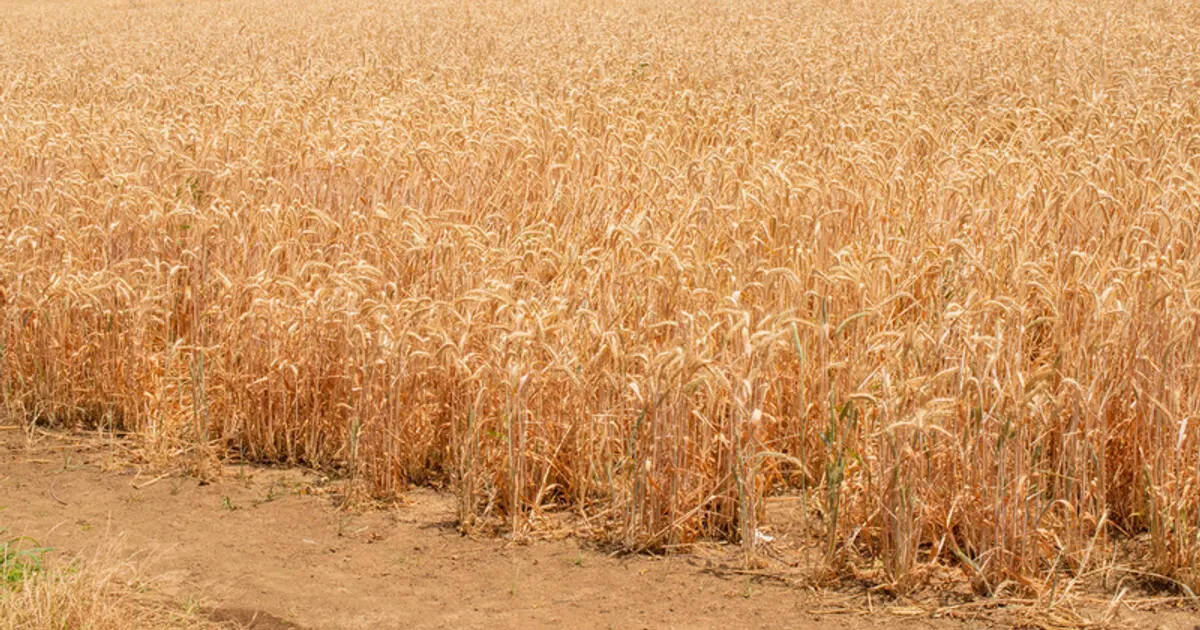
The FAO Food Price Index averaged 131.1 points in July 2026, up 0.6 percent from June and 1.0 percent above July 2025. The FAO Cereal Price Index rose 3.4 percent on the month, with wheat up 5.8 percent on Black Sea disruption and heatwave concerns, and maize up 3.6 percent.
The Vegetable Oil Index climbed 2.0 percent to its highest level since June 2022.
Higher wheat, maize and vegetable oil quotations raise the cost of feed grains and oilseed-based protein and fats for buyers. Firmer energy prices add further cost pressure through biodiesel demand and input costs.
 fao.org8 lug 2026
Dopo 769 eventi rapporto rialzista passati, Frumento (SRW) si è mosso in mediana di +0,2% in 5 sedute (53% in rialzo; metà centrale da -1,4% a +2,0%), e di +0,2% in 20.
Dopo 1040 eventi rapporto rialzista passati, Mais si è mosso in mediana di +0,5% in 5 sedute (62% in rialzo; metà centrale da -0,9% a +2,0%), e di +0,8% in 20.
Dopo 149 eventi rapporto rialzista passati, Olio di palma si è mosso in mediana di +0,5% in 5 sedute (57% in rialzo; metà centrale da -1,1% a +1,8%), e di +0,8% in 20.
Dopo 296 eventi rapporto rialzista passati, Olio di soia si è mosso in mediana di -0,0% in 5 sedute (49% in rialzo; metà centrale da -1,8% a +2,0%), e di -0,5% in 20.
Variazioni del benchmark di ciascuna materia prima rispetto all'ultima chiusura prima dell'evento. Le letture storiche raggruppano eventi passati dello stesso tipo; descrivono ciò che è accaduto, non ciò che accadrà. Non è consulenza di investimento.
The FAO report showed the Vegetable Oil Index at its highest level since June 2022, which confirms firm vegetable oil sentiment, though it is a lagging indicator and partly reflects price moves already underway.
