Caricamento…
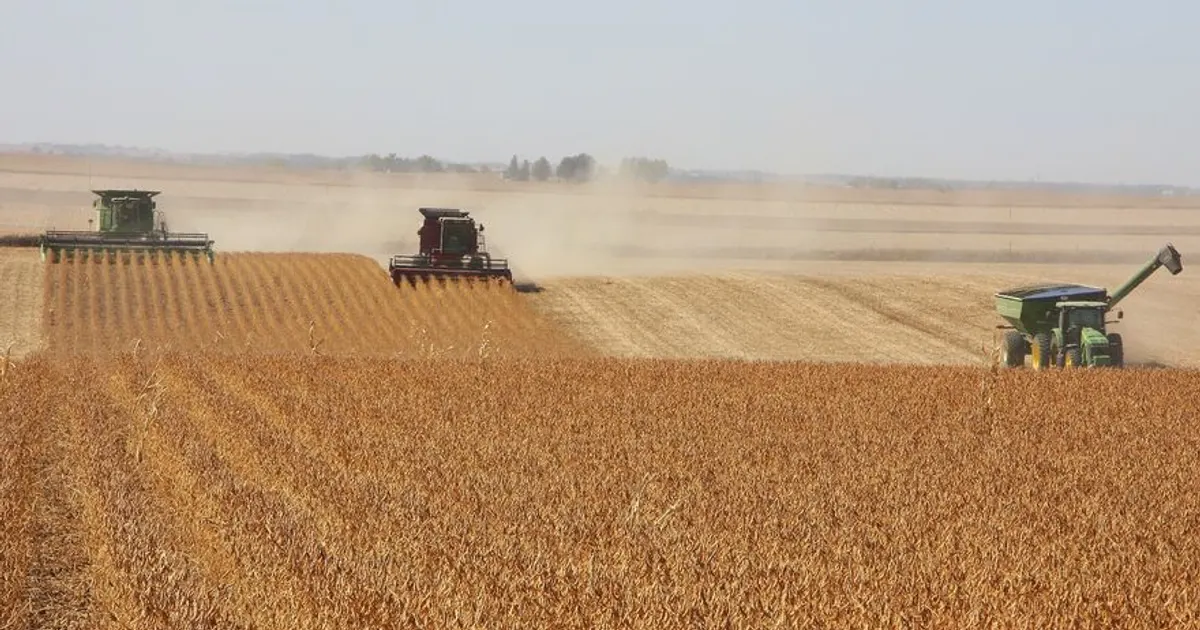
University of Chicago news reports on a study of simulated US crop yields showing that rising temperatures pose substantial risk to wheat, maize and soybean. Researchers found irrigation can offset some losses only where water is sufficient, and warn of yield losses up to 20% for wheat by 2100 without emission cuts.
The long-run yield risk from warming is a structural consideration for feed grain supply, but it does not change near-term supply and demand enough to move prices meaningfully.
 news.uchicago.edu27 gen 2017
Dopo 445 eventi meteo neutrale passati, Mais si è mosso in mediana di +0,1% in 5 sedute (52% in rialzo; metà centrale da -1,4% a +1,6%), e di +0,7% in 20.
Dopo 324 eventi meteo neutrale passati, Soia si è mosso in mediana di +0,0% in 5 sedute (52% in rialzo; metà centrale da -1,4% a +1,7%), e di +0,7% in 20.
Dopo 224 eventi meteo neutrale passati, Frumento (SRW) si è mosso in mediana di -0,1% in 5 sedute (46% in rialzo; metà centrale da -1,4% a +1,5%), e di +0,4% in 20.
Variazioni del benchmark di ciascuna materia prima rispetto all'ultima chiusura prima dell'evento. Le letture storiche raggruppano eventi passati dello stesso tipo; descrivono ciò che è accaduto, non ciò che accadrà. Non è consulenza di investimento.
