Caricamento…
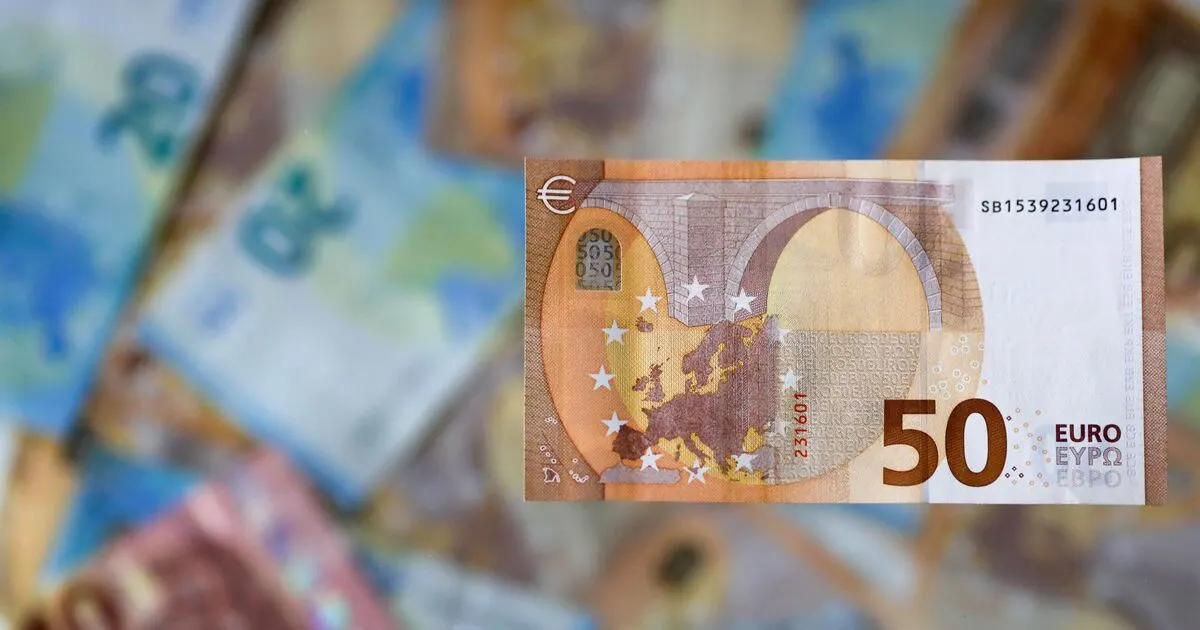
The euro fell as much as 1.8% to $1.1106, its lowest against the dollar since June 2020, as haven demand surged amid the Russia-Ukraine security crisis. The Bloomberg Dollar Index climbed as much as 1.4%.
A weaker euro and stronger dollar lower the dollar cost of European-sourced feed inputs for importers and reduce US export competitiveness. The move reflects haven flows rather than a change in feed supply.
 bloomberg.com24 feb 2022
Dopo 36 eventi geopolitica ribassista passati, Euro (USD per EUR) si è mosso in mediana di -1,0% in 5 sedute (22% in rialzo; metà centrale da -1,8% a -0,3%), e di -0,7% in 20.
Dopo 89 eventi geopolitica rialzista passati, Dollaro USA (ampio) si è mosso in mediana di +0,5% in 5 sedute (74% in rialzo; metà centrale da -0,0% a +1,0%), e di +0,3% in 20.
Variazioni del benchmark di ciascuna materia prima rispetto all'ultima chiusura prima dell'evento. Le letture storiche raggruppano eventi passati dello stesso tipo; descrivono ciò che è accaduto, non ciò che accadrà. Non è consulenza di investimento.
Same-day report of the euro falling as much as 1.8% to $1.1106 on haven demand for the dollar after Russia's invasion directly explains the move.
Euro fell as much as 1.8% and the Bloomberg Dollar Index rose up to 1.4% on haven demand; the euro is the largest component of the broad dollar basket.
Haven demand for the dollar during the Russia-Ukraine crisis pushed EUR/USD down as much as 1.8% to its lowest since June 2020 on 2022-02-24, accounting for most of the 5-day decline.
