Caricamento…
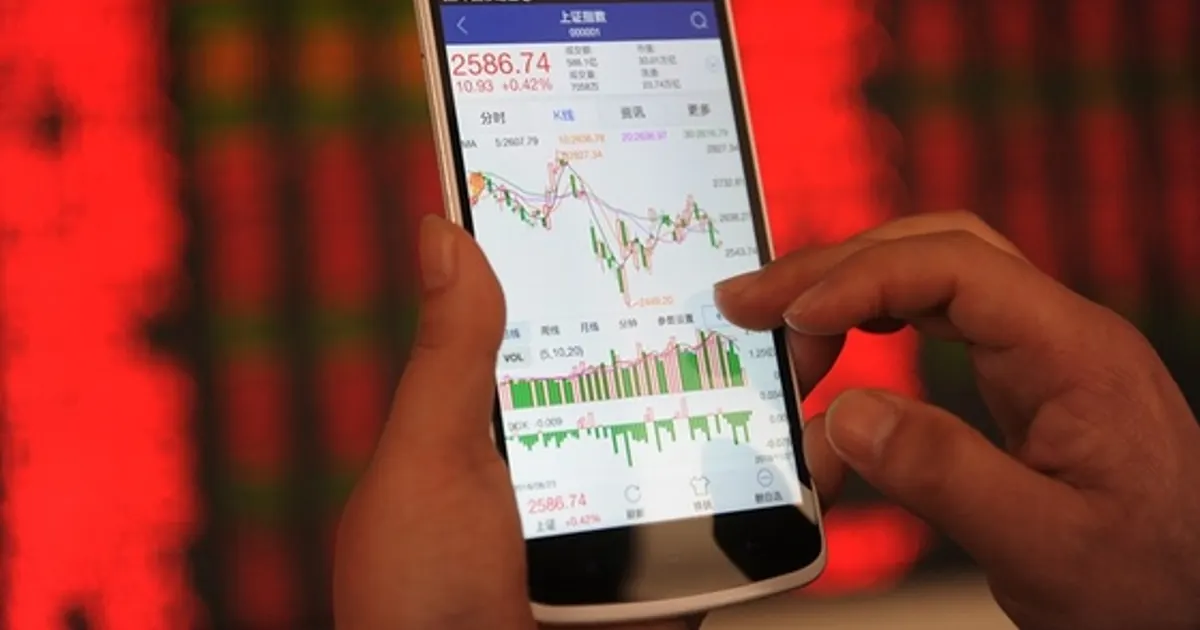
Chinese stocks rallied and the yuan strengthened on December 3, 2018, after Xi and Trump agreed to hold off new tariffs at the G20. The White House said both sides would negotiate for 90 days, with tariffs rising from 10% to 25% if no deal is reached, and that China would buy substantial US goods.
The deferred tariff increase on $200 billion of Chinese imports and the pledged Chinese purchases support US soybean and grain export demand.
 caixinglobal.comLiu Jiefei3 dic 2018
Dopo 696 eventi commercio rialzista passati, Soia si è mosso in mediana di +0,3% in 5 sedute (54% in rialzo; metà centrale da -1,3% a +1,9%), e di +0,7% in 20.
Dopo 729 eventi commercio rialzista passati, Mais si è mosso in mediana di +0,4% in 5 sedute (56% in rialzo; metà centrale da -1,1% a +1,8%), e di +0,5% in 20.
Variazioni del benchmark di ciascuna materia prima rispetto all'ultima chiusura prima dell'evento. Le letture storiche raggruppano eventi passati dello stesso tipo; descrivono ciò che è accaduto, non ciò che accadrà. Non è consulenza di investimento.
The tariff delay and China's pledge to buy US goods reinforced the risk-on trade sentiment that supported grain futures.
It confirms the Xi-Trump tariff delay and Chinese pledges to buy US goods on Dec 3, the catalyst behind the risk-on move, but it covers Chinese equities and the yuan rather than corn.
