Caricamento…
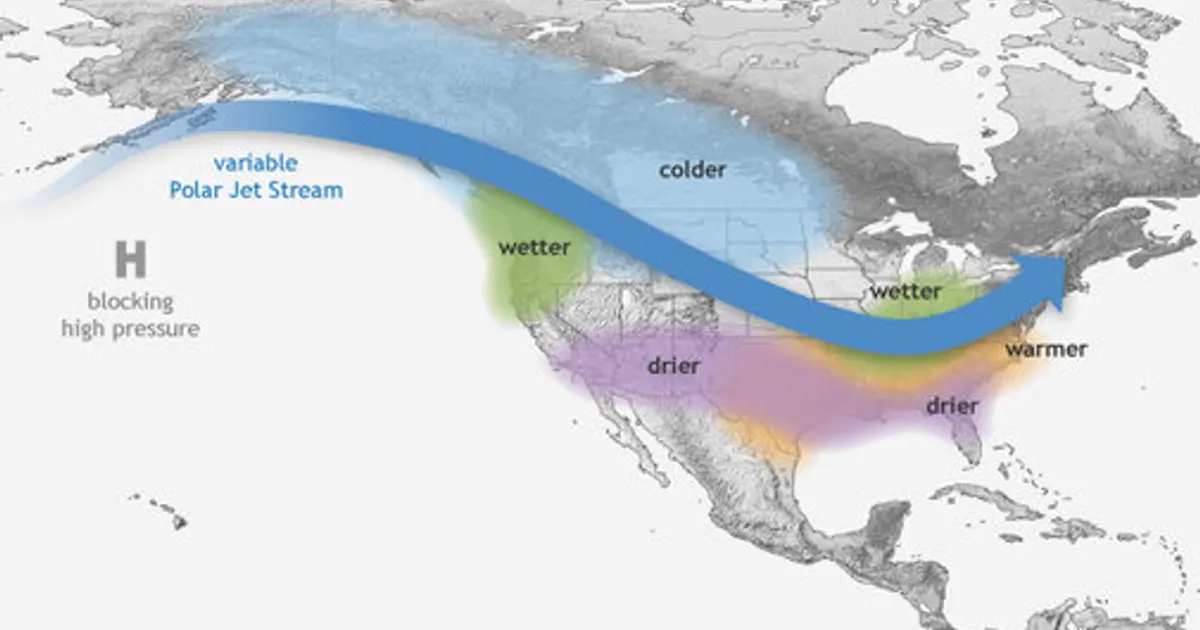
A University of Nebraska CropWatch piece explains the Climate Prediction Center's La Niña Watch, which raised the odds of a La Niña during the North American winter to 55-65%. It outlines the jet stream and high-pressure patterns typically associated with La Niña and how they shape regional precipitation.
A La Niña winter typically brings cooler, wetter conditions to the northern Corn Belt and drier risk to the southern Plains, which can affect planting prospects and feed grain supply expectations. Traders often price weather risk ahead of confirmed events, so this can support corn and soybean prices modestly.
 cropwatch.unl.edu24 ott 2017
Dopo 1465 eventi meteo rialzista passati, Mais si è mosso in mediana di +0,2% in 5 sedute (54% in rialzo; metà centrale da -1,4% a +1,9%), e di +0,9% in 20.
Dopo 1079 eventi meteo rialzista passati, Soia si è mosso in mediana di +0,3% in 5 sedute (54% in rialzo; metà centrale da -1,4% a +2,0%), e di +0,9% in 20.
Dopo 1072 eventi meteo rialzista passati, Frumento (SRW) si è mosso in mediana di +0,2% in 5 sedute (55% in rialzo; metà centrale da -1,4% a +2,3%), e di +0,3% in 20.
Variazioni del benchmark di ciascuna materia prima rispetto all'ultima chiusura prima dell'evento. Le letture storiche raggruppano eventi passati dello stesso tipo; descrivono ciò che è accaduto, non ciò che accadrà. Non è consulenza di investimento.
