Caricamento…
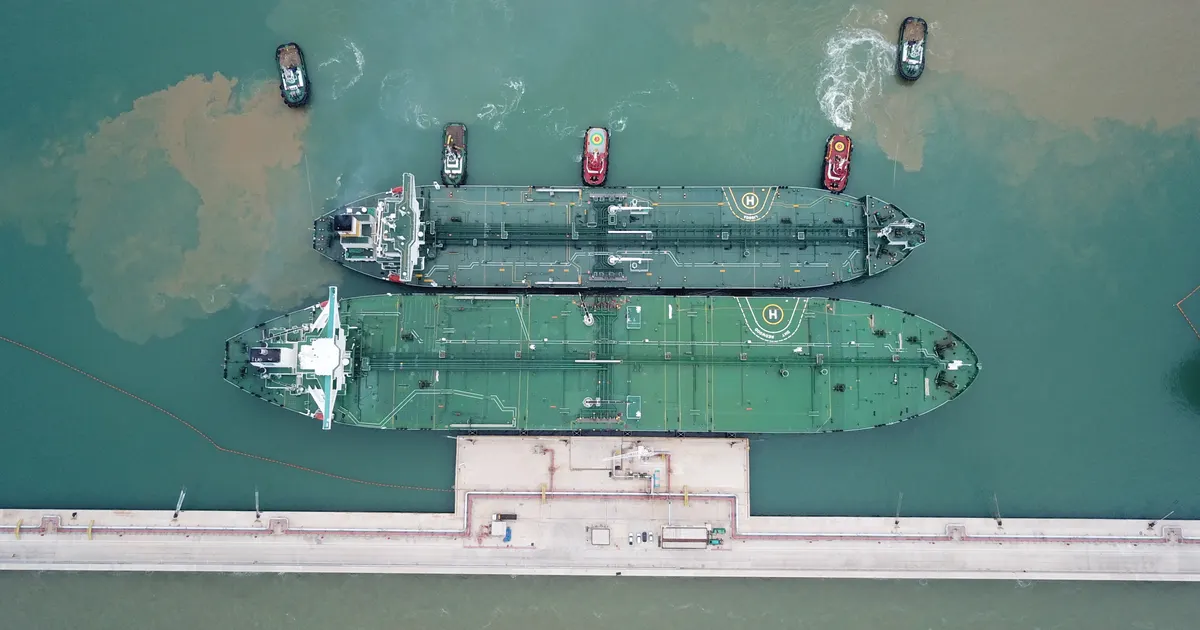
Oil prices surged more than 12% after China instructed government agencies to start buying cheap crude for its strategic reserves. The purchases came after oil had plunged 66% in the first three months of 2020 amid collapsing demand from the coronavirus.
Dated Brent was assessed at $15.135 a barrel, its lowest level since at least 1999.
Chinese state stockpiling absorbs surplus crude and supports energy prices, which feed through to diesel and freight costs for feed producers. Higher crude also tends to lift biofuel-linked demand for vegetable oils and grains.
 worldoil.comSharon Cho2 apr 2020
Dopo 438 eventi politica rialzista passati, Petrolio greggio (WTI) si è mosso in mediana di +0,9% in 5 sedute (61% in rialzo; metà centrale da -2,2% a +4,6%), e di +2,0% in 20.
Dopo 442 eventi politica rialzista passati, Petrolio greggio (Brent) si è mosso in mediana di +1,4% in 5 sedute (60% in rialzo; metà centrale da -2,0% a +4,9%), e di +2,1% in 20.
Variazioni del benchmark di ciascuna materia prima rispetto all'ultima chiusura prima dell'evento. Le letture storiche raggruppano eventi passati dello stesso tipo; descrivono ciò che è accaduto, non ciò che accadrà. Non è consulenza di investimento.
China's instruction to buy cheap crude for strategic reserves added demand-side support and rebound momentum from very depressed levels (Dated Brent at lows).
China's strategic reserve buying added demand support and extended the rebound from extremely depressed prices.
China's strategic reserve buying added demand-side support to the rebound from record lows.
China's instruction to buy cheap crude for strategic reserves added demand-side support to the rebound from deeply oversold levels.
China's strategic reserve buying added demand support and rebound from extreme lows (Dated Brent $15), contributing to the bounce.
