Caricamento…
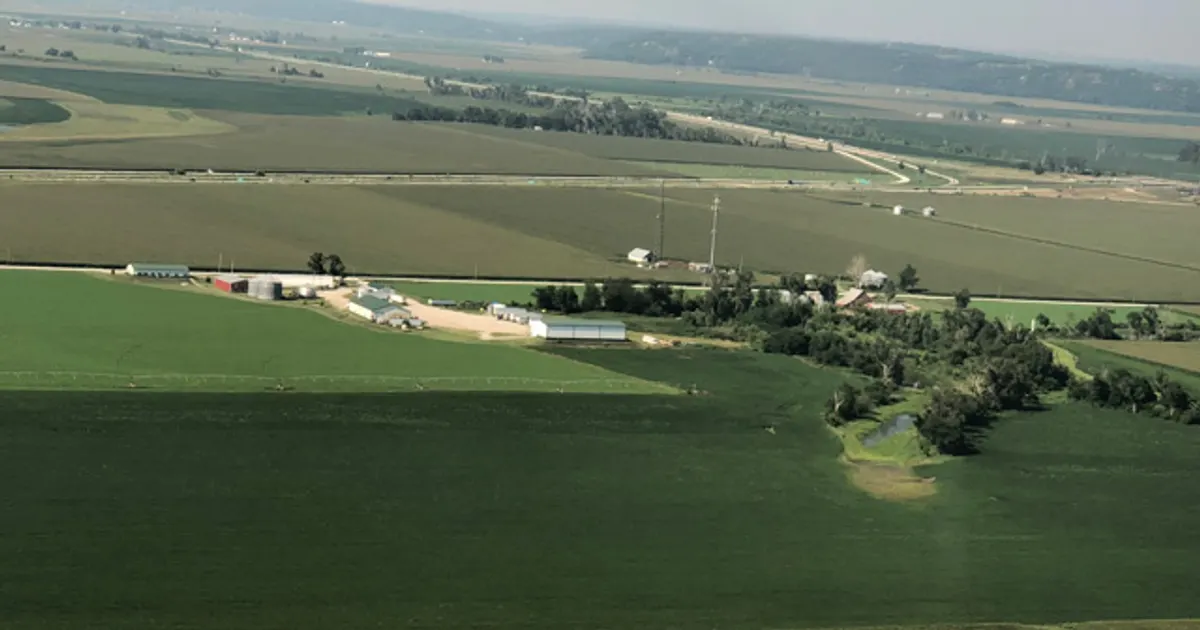
Corn and soybean crop ratings improved 1 to 2 points in major Midwest states over the past week as drier weather in the western Midwest and wetter weather in the east helped conditions. USDA-style topsoil moisture is much wetter than a year ago, and forecasters expect further gains with stress-free weather.
An El Niño is considered likely this fall, which would make a stressful hot, dry pattern in the Midwest unlikely.
Better crop ratings and an expected El Niño point to strong supply prospects, which is bearish for corn and soybean prices and therefore for feed ingredient costs.
 dtnpf.comMike Palmerino24 lug 2018
Dopo 357 eventi meteo ribassista passati, Mais si è mosso in mediana di -0,3% in 5 sedute (44% in rialzo; metà centrale da -2,2% a +1,3%), e di -0,5% in 20.
Dopo 363 eventi meteo ribassista passati, Soia si è mosso in mediana di -0,6% in 5 sedute (42% in rialzo; metà centrale da -2,5% a +1,1%), e di -0,2% in 20.
Dopo 118 eventi meteo ribassista passati, Farina di soia si è mosso in mediana di -0,8% in 5 sedute (35% in rialzo; metà centrale da -3,2% a +0,4%), e di -1,6% in 20.
Variazioni del benchmark di ciascuna materia prima rispetto all'ultima chiusura prima dell'evento. Le letture storiche raggruppano eventi passati dello stesso tipo; descrivono ciò che è accaduto, non ciò che accadrà. Non è consulenza di investimento.
