Caricamento…
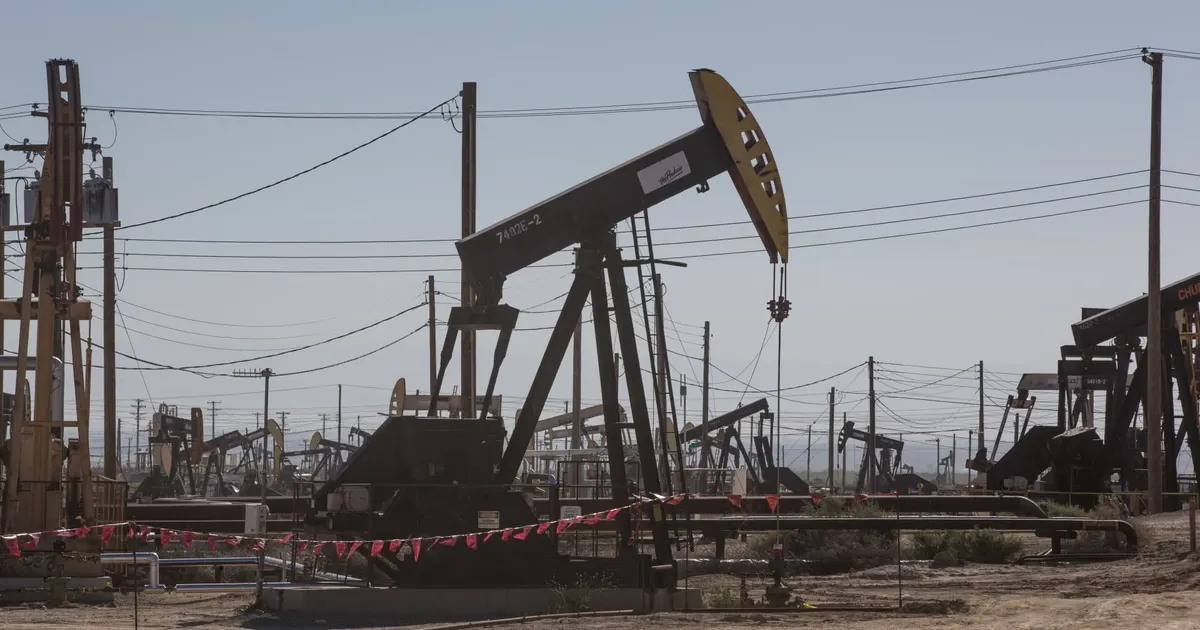
WTI crude settled 7.5% lower at $66.42 a barrel, its worst day since September 2020, after OPEC+ agreed to add 400,000 barrels per day monthly from August. Delta-driven Covid concerns also weighed, and Brent slipped 6.75%.
A monthly OPEC+ supply increase through September 2022 signals a larger future crude supply, pressuring energy prices and reducing the appeal of biofuel feedstocks.
 cnbc.comPippa Stevens19 lug 2021
Dopo 215 eventi politica ribassista passati, Petrolio greggio (WTI) si è mosso in mediana di +0,1% in 5 sedute (51% in rialzo; metà centrale da -4,4% a +3,3%), e di +0,2% in 20.
Dopo 210 eventi politica ribassista passati, Petrolio greggio (Brent) si è mosso in mediana di -0,9% in 5 sedute (48% in rialzo; metà centrale da -3,8% a +3,2%), e di +0,2% in 20.
Dopo 351 eventi politica ribassista passati, Olio di soia si è mosso in mediana di -0,0% in 5 sedute (49% in rialzo; metà centrale da -1,7% a +1,8%), e di -0,2% in 20.
Variazioni del benchmark di ciascuna materia prima rispetto all'ultima chiusura prima dell'evento. Le letture storiche raggruppano eventi passati dello stesso tipo; descrivono ciò che è accaduto, non ciò che accadrà. Non è consulenza di investimento.
Describes the July 19 selloff with Brent down 6.75%, driven by OPEC+ adding 400k bpd monthly from August (supply) and Covid concerns (demand).
WTI settled 7.5% lower on July 19 after the OPEC+ supply boost and Delta-driven demand fears, which accounts for most of the 5-day decline.
WTI fell 7.5% and Brent 6.75% on the OPEC+ 400k bpd monthly supply addition plus Covid concerns, a supply-and-demand sentiment shock driving the move.
