Caricamento…
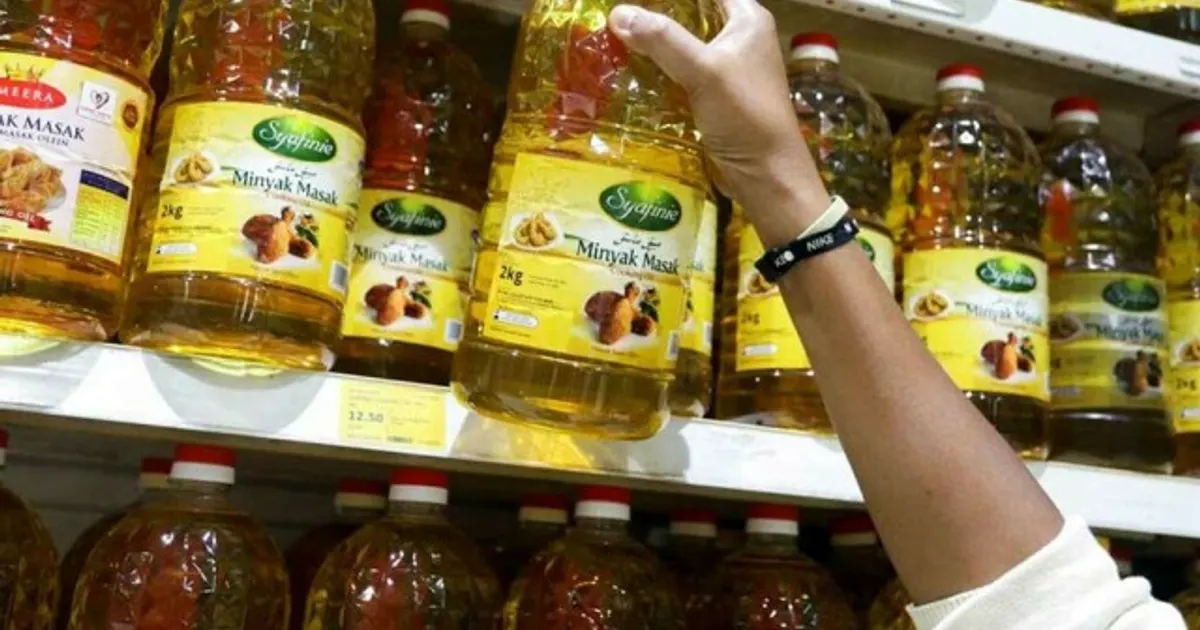
Malaysian palm oil futures fell 4.2% to 4,703 ringgit a tonne on recession fears that hit edible oils, after an intraday drop of about 7%. Malaysia's June exports fell between 7.4% and 13.4% from May as shipments to India and the EU slowed.
Palm later recovered some losses when crude oil rose on supply outages in Libya and Norway.
Recession fears reduce demand for edible oils and biodiesel, while weaker Malaysian exports add to the supply overhang. Stronger crude oil could support palm by making it more competitive as biodiesel feedstock.
 brecorder.comReuters1 lug 2022
Dopo 51 eventi macro ribassista passati, Olio di palma si è mosso in mediana di -1,3% in 5 sedute (35% in rialzo; metà centrale da -4,1% a +1,1%), e di -1,8% in 20.
Dopo 40 eventi macro ribassista passati, Olio di soia si è mosso in mediana di -0,8% in 5 sedute (45% in rialzo; metà centrale da -4,5% a +1,7%), e di -1,5% in 20.
Dopo 487 eventi macro rialzista passati, Petrolio greggio (WTI) si è mosso in mediana di +1,0% in 5 sedute (60% in rialzo; metà centrale da -2,0% a +4,0%), e di +1,5% in 20.
Variazioni del benchmark di ciascuna materia prima rispetto all'ultima chiusura prima dell'evento. Le letture storiche raggruppano eventi passati dello stesso tipo; descrivono ciò che è accaduto, non ciò che accadrà. Non è consulenza di investimento.
4% drop on July 1 on recession fears and a higher supply outlook, with weaker June exports to India and the EU.
Recession fears hit edible oils with an intraday drop of ~7%, alongside weaker June Malaysian exports and a higher supply outlook, matching the window's sharp selloff.
July 1 recession fears and a higher supply outlook hit edible oils, setting up the weak sentiment that carried into the July 4 soyoil drop.
Recession fears and weaker June Malaysian exports hit edible oils just before the move, adding demand-side and sentiment pressure.
