Caricamento…
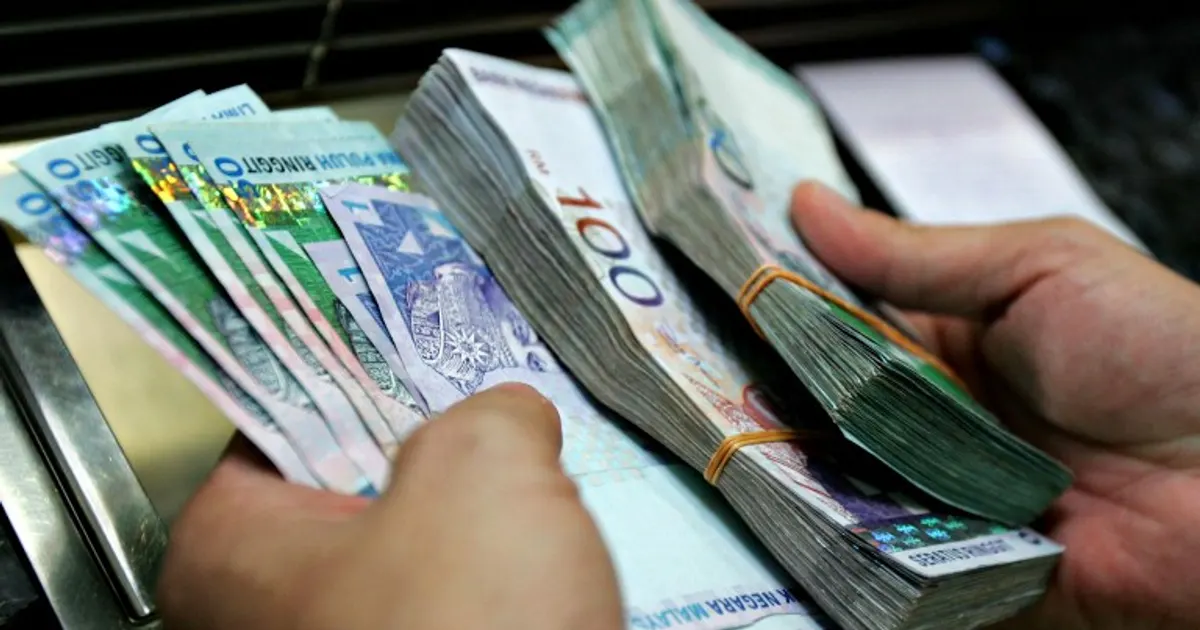
The ringgit had a mixed 2018, starting the year strong after climbing from a historic low, then weakening sharply in the second quarter. Analysts attribute the swings mainly to external drivers such as trade tensions, emerging market stress, Fed hike expectations, crude oil moves and US dollar strength.
A weaker ringgit lowers the cost of Malaysian palm oil in dollar terms for buyers, which can support palm-based feed ingredients, while currency swings feed into landed feed costs.
 malaymail.com31 dic 2018
Ancora troppi pochi eventi passati comparabili per una lettura storica.
Dopo 86 eventi macro neutrale passati, Olio di palma si è mosso in mediana di +0,3% in 5 sedute (56% in rialzo; metà centrale da -1,6% a +2,0%), e di +1,0% in 20.
Variazioni del benchmark di ciascuna materia prima rispetto all'ultima chiusura prima dell'evento. Le letture storiche raggruppano eventi passati dello stesso tipo; descrivono ciò che è accaduto, non ciò che accadrà. Non è consulenza di investimento.
