Caricamento…
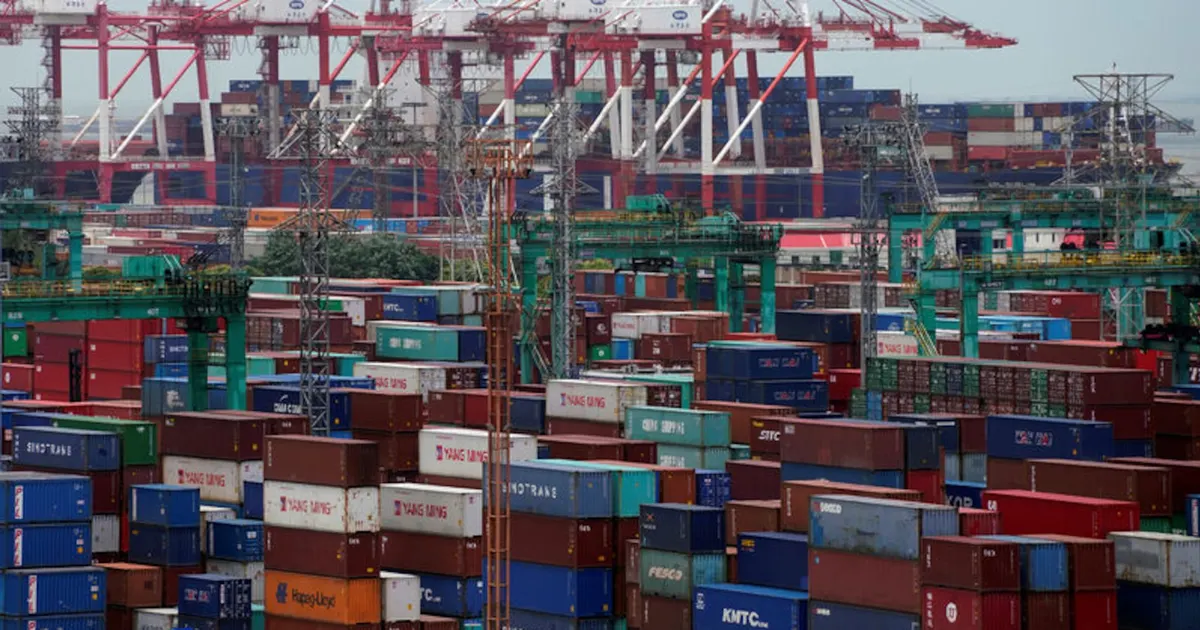
A year-end review says the US-China trade war cost both countries billions of dollars in 2018. Chinese tariffs widened US crusher margins by leaving cheap soybeans at home.
Chinese mills front-loaded purchases, which created oversupply, and cut soymeal output sharply in summer.
Lower Chinese soymeal output reduces import demand, while the crush-driven domestic supply of meal weighs on prices, so the net effect on meal is bearish.
 reuters.comMichael Hirtzer31 dic 2018
Dopo 384 eventi commercio ribassista passati, Farina di soia si è mosso in mediana di -0,2% in 5 sedute (47% in rialzo; metà centrale da -1,7% a +1,6%), e di -0,5% in 20.
Dopo 803 eventi commercio ribassista passati, Soia si è mosso in mediana di +0,0% in 5 sedute (51% in rialzo; metà centrale da -1,7% a +1,7%), e di +0,9% in 20.
Variazioni del benchmark di ciascuna materia prima rispetto all'ultima chiusura prima dell'evento. Le letture storiche raggruppano eventi passati dello stesso tipo; descrivono ciò che è accaduto, non ciò che accadrà. Non è consulenza di investimento.
