Caricamento…
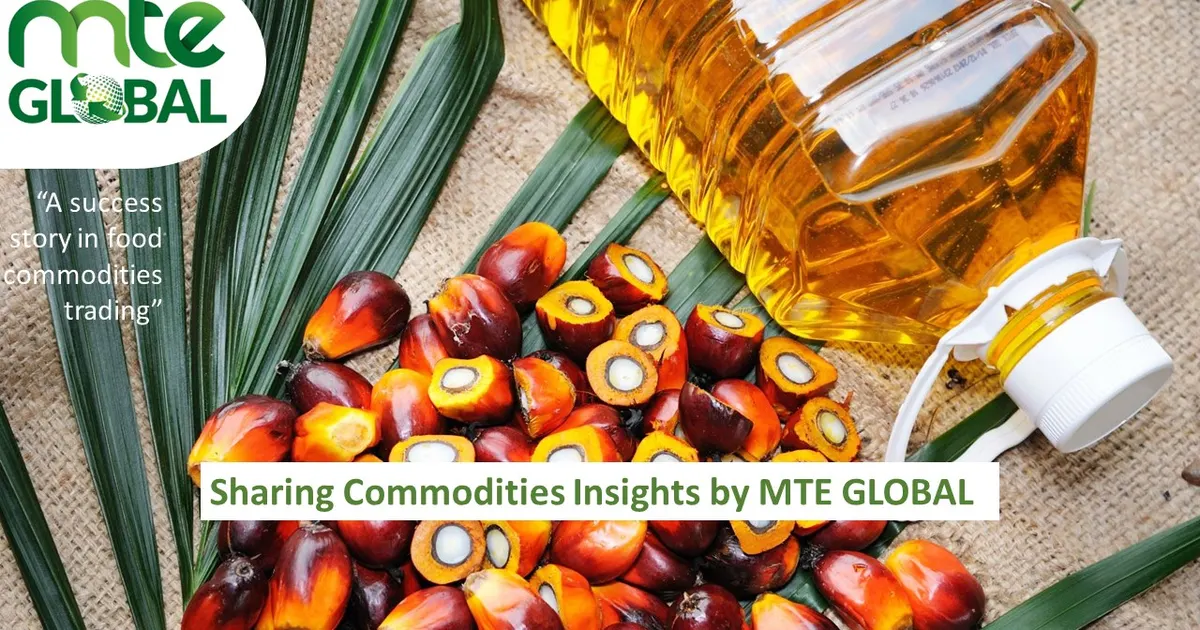
Palm oil closed at its highest level since late July on concerns that dry weather and aging trees will hurt Indonesian output. Industry groups forecast production flat to 5% lower year on year, after earlier predicting a rise.
Soybean oil prices also provided support.
Lower Indonesian output, the world's largest palm producer, tightens global vegetable oil supply and supports prices. Stronger soybean oil adds further support as a substitute.
 delinua.comraid2 set 2024
Dopo 181 eventi meteo rialzista passati, Olio di palma si è mosso in mediana di +0,5% in 5 sedute (56% in rialzo; metà centrale da -0,9% a +1,9%), e di +0,3% in 20.
Dopo 184 eventi meteo rialzista passati, Olio di soia si è mosso in mediana di +0,3% in 5 sedute (53% in rialzo; metà centrale da -1,9% a +2,4%), e di -0,5% in 20.
Variazioni del benchmark di ciascuna materia prima rispetto all'ultima chiusura prima dell'evento. Le letture storiche raggruppano eventi passati dello stesso tipo; descrivono ciò che è accaduto, non ciò che accadrà. Non è consulenza di investimento.
On 2024-09-02 palm closed at its highest since late July on dry weather and aging-tree concerns, with output forecast flat to 5% lower and soyoil support, directly explaining the jump.
Concerns that dry weather and aging trees will cut Indonesian output (flat to 5% lower) pushed palm to a multi-week high, a direct supply-side driver heading into the move.
