Caricamento…
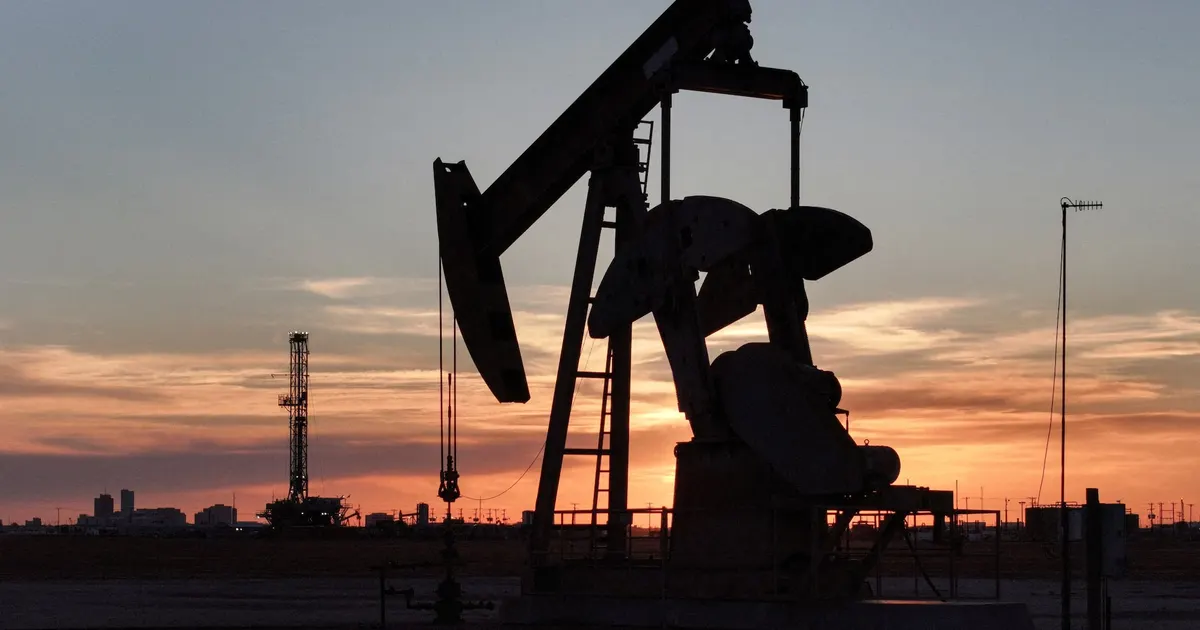
Oil settled up nearly 5% as fresh attacks on ships in the Strait of Hormuz pushed the number of vessels struck to at least 14. Shipping through the strait has nearly stopped since the US and Israel began strikes on Iran on February 28.
The IEA recommended a record 400 million barrel stock release to curb prices.
Disrupted Hormuz shipping removes about a fifth of world oil supply, keeping crude and diesel costs elevated. The record IEA stock release partly offsets supply losses, but ongoing attacks support higher energy and freight costs for feed producers.
 reuters.comShariq Khan10 mar 2026
Dopo 626 eventi geopolitica rialzista passati, Petrolio greggio (WTI) si è mosso in mediana di +2,1% in 5 sedute (62% in rialzo; metà centrale da -2,3% a +8,5%), e di +1,6% in 20.
Dopo 656 eventi geopolitica rialzista passati, Petrolio greggio (Brent) si è mosso in mediana di +1,9% in 5 sedute (63% in rialzo; metà centrale da -2,7% a +6,6%), e di +0,7% in 20.
Dopo 250 eventi geopolitica rialzista passati, ULSD / Gasolio si è mosso in mediana di +1,7% in 5 sedute (58% in rialzo; metà centrale da -3,6% a +8,7%), e di +0,9% in 20.
Ancora troppi pochi eventi passati comparabili per una lettura storica.
Variazioni del benchmark di ciascuna materia prima rispetto all'ultima chiusura prima dell'evento. Le letture storiche raggruppano eventi passati dello stesso tipo; descrivono ciò che è accaduto, non ciò che accadrà. Non è consulenza di investimento.
Oil settled up ~5% as attacks on ships in Hormuz mounted, adding supply-risk premium despite the record IEA stock release plan.
Oil rose nearly 5% on Mar 10 as attacks on ships in Hormuz mounted (at least 14 vessels struck), adding risk premium that carried into diesel despite the IEA stock release plan.
Oil settled up nearly 5% as ships were attacked in Hormuz, adding to crude and diesel gains during the window.
Attacks on ships in Hormuz (14+ vessels struck) on Mar 10 show the escalating supply risk that carried into Mar 12, partly offset by the stock release plan.
Guarda la versione di 29 secondi · Oil settles up nearly 5% as Hormuz attacks hit 14 ships: what it means for feed costs
