Caricamento…
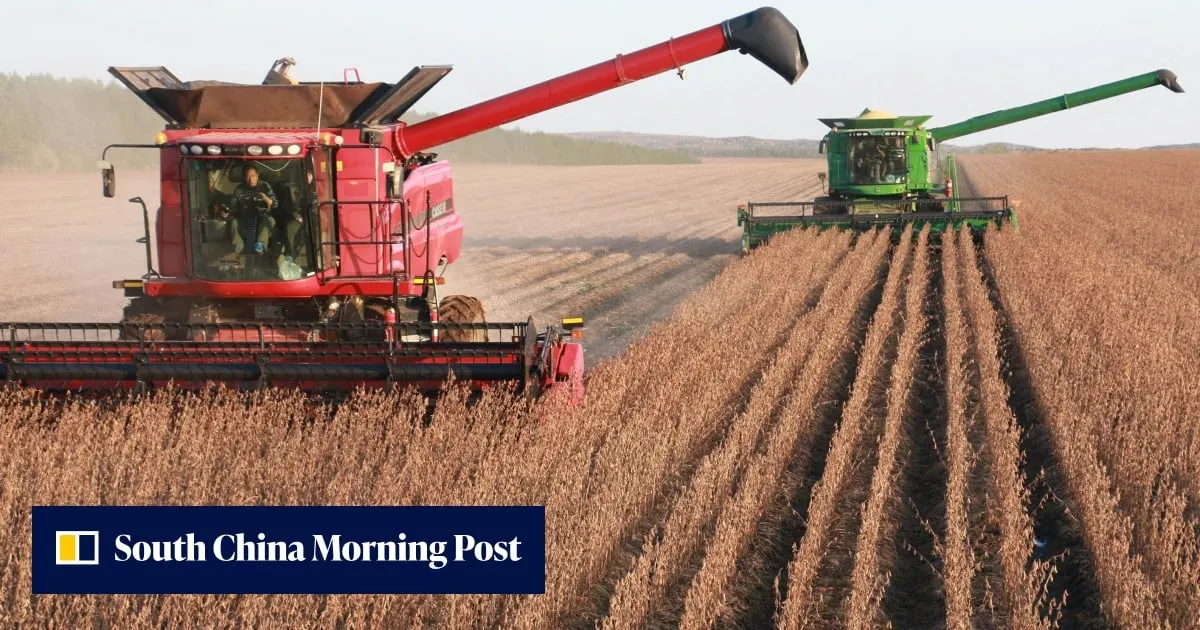
China imports about 86 percent of its soybeans, mainly from Brazil and the U.S., and uses them for livestock feed and edible oil. Chinese soybean demand is expected to rebound in 2020, but Beijing is weighing food security and self-reliance against its Phase One commitments to buy more U.S. farm goods.
Rebounding Chinese soybean demand supports global soybean and meal prices, but uncertainty over where supply will come from adds volatility to the outlook.
 scmp.comAmanda Lee27 mag 2020
Dopo 696 eventi commercio rialzista passati, Soia si è mosso in mediana di +0,3% in 5 sedute (54% in rialzo; metà centrale da -1,3% a +1,9%), e di +0,7% in 20.
Dopo 342 eventi commercio rialzista passati, Farina di soia si è mosso in mediana di +0,1% in 5 sedute (51% in rialzo; metà centrale da -1,1% a +2,6%), e di +0,6% in 20.
Variazioni del benchmark di ciascuna materia prima rispetto all'ultima chiusura prima dell'evento. Le letture storiche raggruppano eventi passati dello stesso tipo; descrivono ciò che è accaduto, non ciò che accadrà. Non è consulenza di investimento.
