Caricamento…
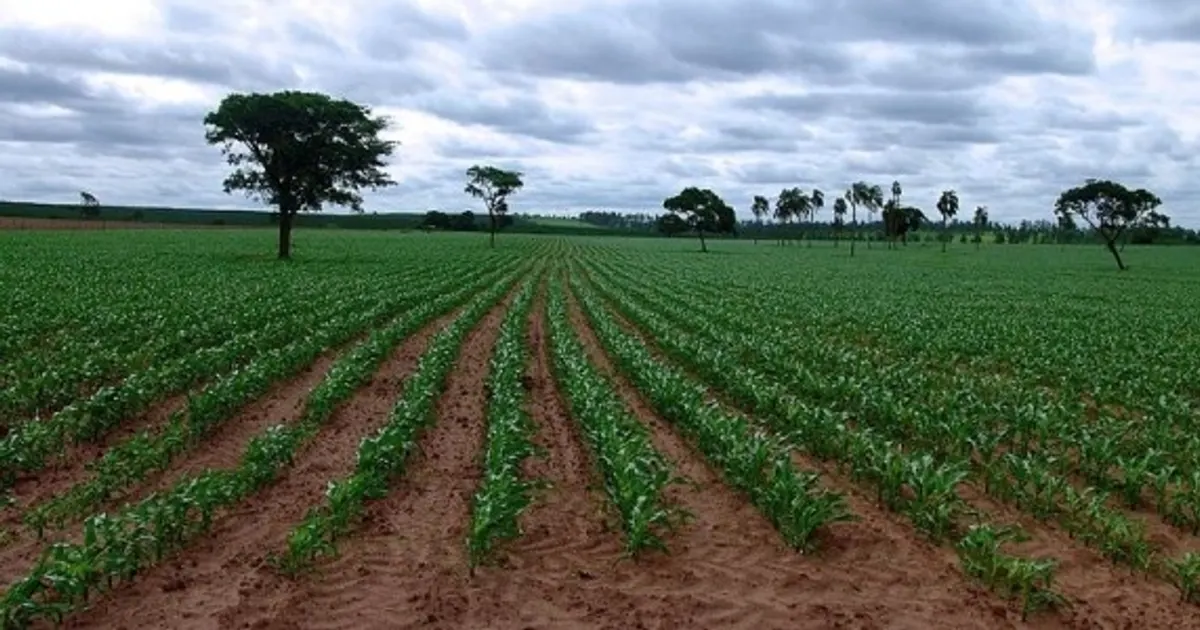
A study led by researchers at UNICAMP's Center for Environmental Studies, supported by FAPESP and the Belmont Forum, finds that climate change could expose Brazil's safrinha (second-crop) corn to extreme drought. The crop is planted after the summer soybean and corn harvest and grown between January and April in the Center-West, Southeast and South.
The findings point to rising risk for agribusiness productivity and export leadership.
A higher drought risk for Brazil's second-crop corn could tighten export supplies later in the year and support corn prices. The effect is long-term research rather than an immediate production shock, so the current price impact is limited.
 agencia.fapesp.brFAPESP15 lug 2020
Dopo 1465 eventi meteo rialzista passati, Mais si è mosso in mediana di +0,2% in 5 sedute (54% in rialzo; metà centrale da -1,4% a +1,9%), e di +0,9% in 20.
Variazioni del benchmark di ciascuna materia prima rispetto all'ultima chiusura prima dell'evento. Le letture storiche raggruppano eventi passati dello stesso tipo; descrivono ciò che è accaduto, non ciò che accadrà. Non è consulenza di investimento.
