Caricamento…
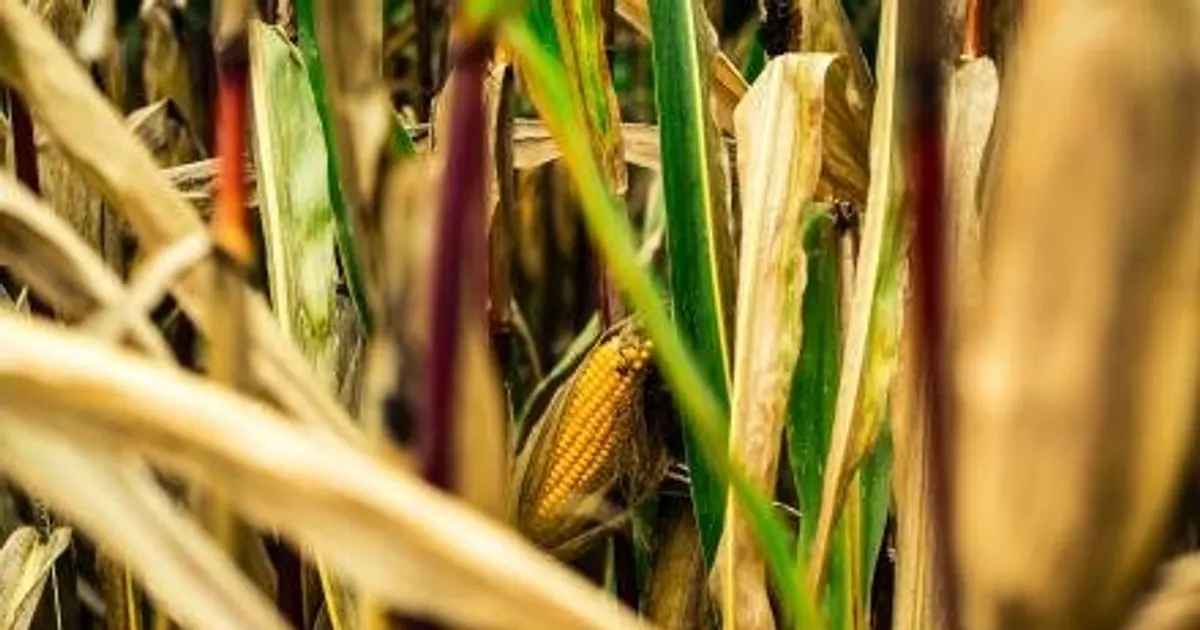
A study published this month in Nature Food by Stanford researchers including David Lobell examines how U.S. maize yields respond to drought. It finds that current yield-gain strategies work best in ideal weather and are increasingly sensitive to worsening drought.
Yield sensitivity to water storage in the Corn Belt has risen 55% since 1999.
Rising drought sensitivity raises the cost of maintaining yields under climate stress, a long-run supply risk for corn and the feed grains built on it. It is a research finding rather than a near-term supply shock, so the direct price effect is limited.
 nasaharvest.orgWritten By NASA Harvest26 nov 2020
Dopo 1465 eventi meteo rialzista passati, Mais si è mosso in mediana di +0,2% in 5 sedute (54% in rialzo; metà centrale da -1,4% a +1,9%), e di +0,9% in 20.
Variazioni del benchmark di ciascuna materia prima rispetto all'ultima chiusura prima dell'evento. Le letture storiche raggruppano eventi passati dello stesso tipo; descrivono ciò che è accaduto, non ciò che accadrà. Non è consulenza di investimento.
