Caricamento…
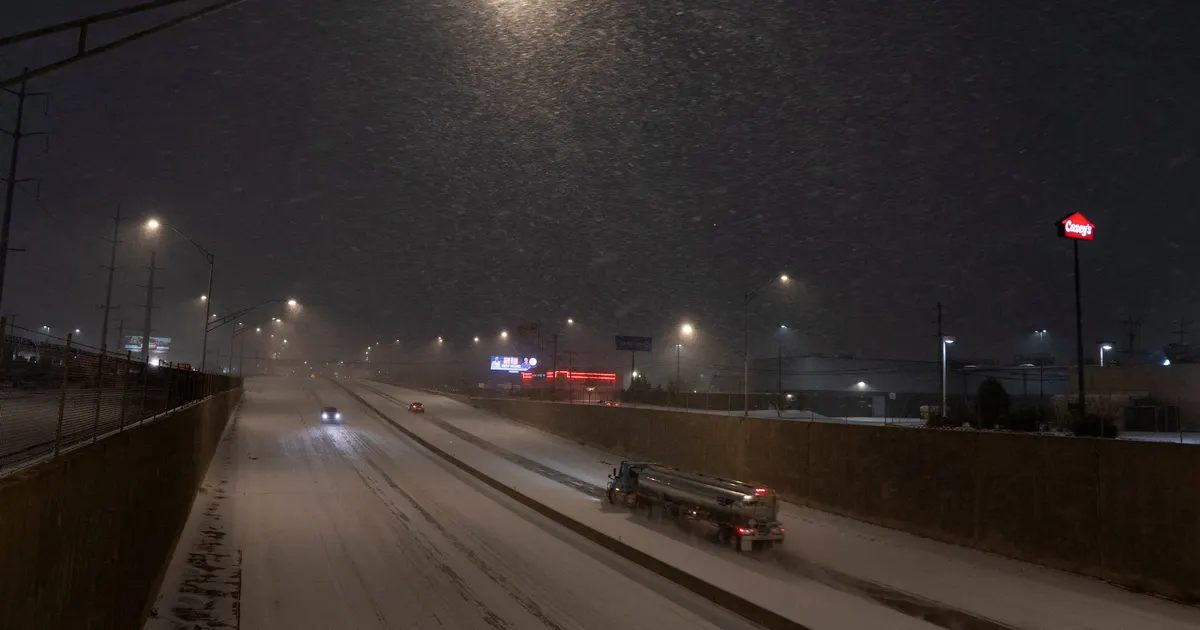
A winter storm is expected to cut about 86 billion cubic feet of US natural gas production over two weeks, with the Appalachia region losing about 35 bcf. Crude and natural gas output are falling as the storm approaches, and diesel prices have been rising.
Lower gas and crude output tightens energy supplies and lifts fuel and power costs for feed and processing operations, supporting higher energy prices and freight costs for animal-feed buyers.
 reuters.comGeorgina Mccartney, Tim McLaughlin23 gen 2026
Dopo 221 eventi meteo rialzista passati, Gas naturale si è mosso in mediana di +3,3% in 5 sedute (61% in rialzo; metà centrale da -5,2% a +14,0%), e di -0,3% in 20.
Dopo 40 eventi meteo rialzista passati, Petrolio greggio (WTI) si è mosso in mediana di +1,6% in 5 sedute (63% in rialzo; metà centrale da -3,7% a +5,3%), e di +6,1% in 20.
Dopo 39 eventi meteo rialzista passati, ULSD / Gasolio si è mosso in mediana di +2,4% in 5 sedute (59% in rialzo; metà centrale da -4,5% a +6,1%), e di +8,9% in 20.
Variazioni del benchmark di ciascuna materia prima rispetto all'ultima chiusura prima dell'evento. Le letture storiche raggruppano eventi passati dello stesso tipo; descrivono ciò che è accaduto, non ciò che accadrà. Non è consulenza di investimento.
