Caricamento…
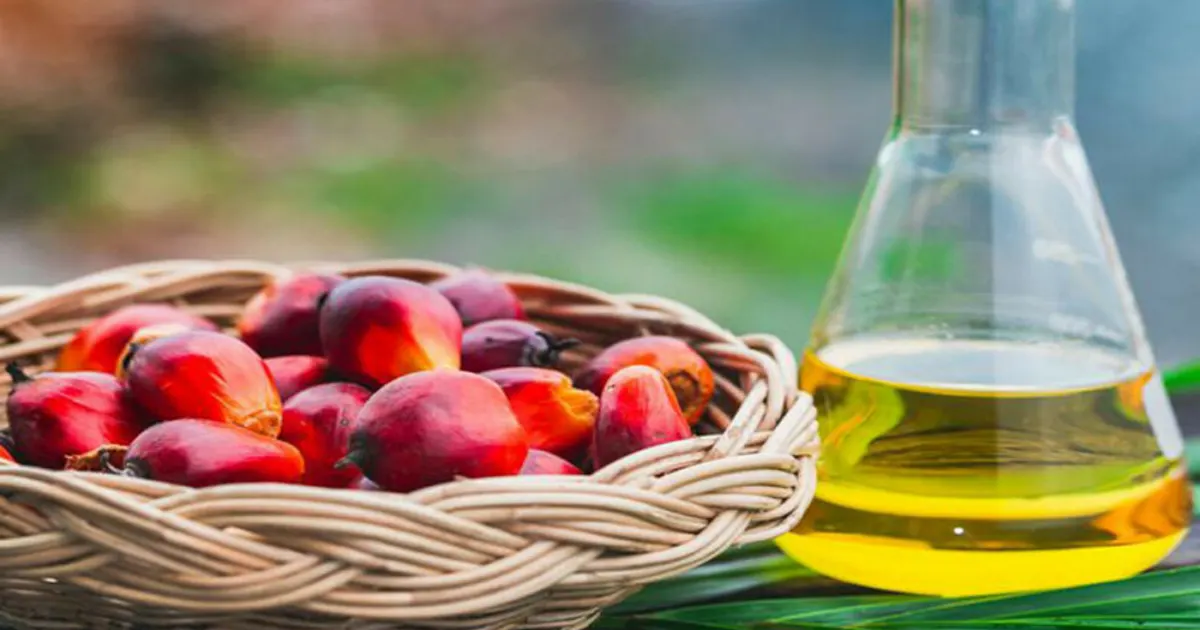
Malaysian palm oil futures posted their biggest monthly decline since September, with the July contract closing down 2.95% at 3,353 ringgit a tonne. Indonesia said it will cut its mandatory domestic sales threshold to 300,000 tonnes a month from May, allowing more exports, and Malaysian exports in April 1-20 fell 20.3%.
Indonesia's looser domestic sales rule adds export supply to a market already facing weak demand, which pushes palm prices lower and weighs on competing vegetable oils.
 brecorder.comReuters28 apr 2023
Dopo 400 eventi politica ribassista passati, Olio di palma si è mosso in mediana di -0,0% in 5 sedute (49% in rialzo; metà centrale da -1,3% a +1,1%), e di +0,2% in 20.
Dopo 351 eventi politica ribassista passati, Olio di soia si è mosso in mediana di -0,0% in 5 sedute (49% in rialzo; metà centrale da -1,7% a +1,8%), e di -0,2% in 20.
Variazioni del benchmark di ciascuna materia prima rispetto all'ultima chiusura prima dell'evento. Le letture storiche raggruppano eventi passati dello stesso tipo; descrivono ciò che è accaduto, non ciò che accadrà. Non è consulenza di investimento.
Palm oil's sharpest monthly loss and a 2.95% drop to 3,353 ringgit on April 28 came as Indonesia cut its domestic sales threshold to allow more exports, adding supply, while Malaysian exports were weak (April 1-20 down 20.3%).
Indonesia's cut of its domestic sales threshold to 300,000 t/month from May frees more export supply, and the sharpest monthly loss plus weak Malaysian exports reinforced the selling pressure.
Palm oil's biggest monthly loss in seven months and Indonesia's lower domestic sales threshold (allowing more exports) set a bearish vegoil tone going into May 1.
